Global buyers face a practical challenge when sourcing branded canvas, leather, and luxury accessories online. Fake Tote Bags can look convincing in polished product photos, yet small details often reveal inconsistencies. The OECD and EUIPO reported that counterfeit and pirated goods represented up to 2.5% of global trade in 2019, worth approximately US$464 billion. That figure covers many product categories, but it shows why authentication deserves structured attention.
This guide introduces ten practical ways to examine tote bags before purchase. We will look closely at logo spacing, stitching density, fabric texture, edge paint, hardware weight, zipper movement, serial markings, packaging, seller history, and transaction records. Tiny flaws matter. A crooked heat stamp may signal weak quality control, while uneven thread tension can expose rushed production. However, no single clue proves authenticity. Even experienced buyers can misjudge a bag from photographs alone. That is worth remembering. The EUIPO’s work on intellectual property enforcement also emphasizes the value of reliable supply-chain information and professional verification. Buyers should therefore compare multiple details, request clear close-up images, and retain invoices, supplier communications, and inspection notes. Branded dust bags can be copied. A convincing box proves little. Materials, construction, and traceable sourcing usually provide stronger evidence. The process is not perfect, especially with vintage items and modified designs, but careful observation reduces avoidable purchasing risks. This approach supports responsible procurement and more confident decisions across international markets.
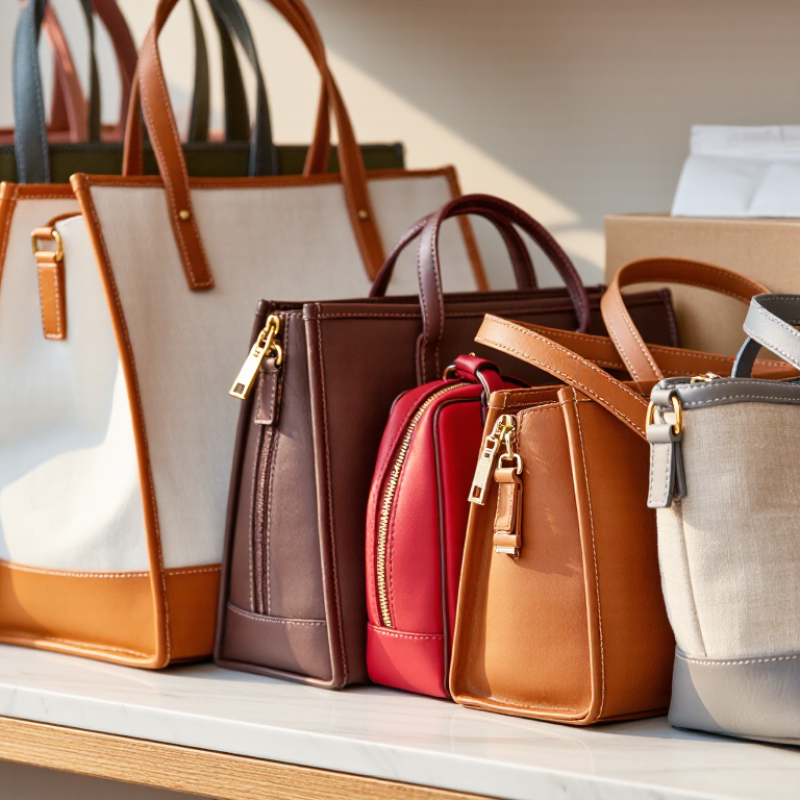
Define Authentic Tote Bag Features and Brand Standards
Authentic tote bags reveal their quality through consistent construction, not loud decoration. Examine the fabric under natural light. Genuine materials usually show an even weave, stable color, and a clear surface texture. Check the handles carefully. They should feel firm, attach evenly, and support the bag without twisting. Loose threads, uneven spacing, or sharp chemical odors deserve attention. Small differences can matter.
Brand standards also include practical details. Stitching should follow straight lines with balanced thread tension. Interior pockets should sit flat and match the published dimensions. Zippers, snaps, and lining should operate smoothly without excessive force. Compare product photographs with measurements from the official sales channel. Packaging alone proves very little. A polished box can still hide poor workmanship. I have seen buyers trust labels too quickly, while ignoring crooked seams and weak handle joins.
Tips:
Request close-up images before purchasing. Ask for material details, dimensions, care instructions, and production references. Confirm whether the seller provides a clear return policy and traceable order records. Use several checks together, because no single feature proves authenticity. If the price seems unusually low, pause and investigate the supplier’s history. Keep your assessment objective. Even experienced buyers can miss subtle inconsistencies. Authenticity checks are useful, but they are not perfect. Brands may also change materials or packaging between production periods.
Inspect Materials, Stitching, and Construction Quality
When sourcing tote bags, inspect the material before judging the appearance. Genuine quality fabric usually feels consistent across the entire panel. Rub a hidden corner gently. Weak material may shed fibers, feel unusually thin, or show uneven coating. Check the lining, too. It should sit flat without strong chemical odors or loose edges. A glossy surface can look impressive, but it may hide poor construction. I have found that photographs often soften these flaws, so physical samples remain important.
Tips: Bring a small ruler, flashlight, and thread sample. Measure fabric thickness and handle width. Count stitches along ten centimeters. Look for tight, even spacing. Examine corners closely. Reinforcement should cover stress points, especially where handles meet the body. Pull the handles firmly, but do not damage the sample. A reliable supplier should explain material composition, production methods, and quality checks clearly.
Stitching reveals more than decoration. Straight seams, secure backstitching, and clean thread ends suggest controlled production. Uneven seams may cause the bag to twist after filling. Test the base by placing books inside and setting the bag down. It should remain balanced without bulging sharply. Inspect the interior for skipped stitches and exposed seam allowances. Small imperfections can occur, even in careful production. However, repeated defects across several samples deserve attention. Compare multiple pieces from one batch before approving a larger order.
Verify Logos, Labels, Packaging, and Serial Details
A genuine tote bag should show consistency across its logo, label, packaging, and serial details. The logo must have balanced spacing, sharp edges, and stable color under natural light. Uneven stitching around the label deserves attention. A label with unclear fiber content, country information, or care symbols may indicate poor production control. However, one defect does not prove a product is fake. Human finishing can vary, even in authorized supply chains.
The OECD and EUIPO reported in Mapping Global Trade in Fakes 2025 that counterfeit goods represented up to 2.5% of global trade, worth approximately 467 billion US dollars in 2021. This scale supports stricter verification for international buyers. Packaging should match the product’s quality, including print alignment, barcode clarity, dust-bag fabric, and protective inserts. A serial number should follow a logical format and appear consistently across the label, receipt, and packaging. Still, copied serial numbers exist. Verification must go beyond scanning a code.
Tips: Photograph every detail before payment. Compare logo proportions with verified reference images. Check whether the barcode leads to relevant product information. Ask for close images of label stitching and serial placement. Be cautious when packaging looks unusually perfect. That detail can mislead. In my view, the weakest checks are rushed visual judgments and trust in a single code. Keep an audit record, note inconsistencies, and request clarification before approval. The source for trade estimates is the OECD and EUIPO report cited above.
Compare Seller Information, Pricing, and Product History
Global buyers should inspect seller information before judging a tote bag’s appearance.
Check the company’s legal name, business address, contact email, and return policy. A vague profile or recently created account deserves caution. Compare these details across the seller’s website, marketplace page, invoices, and shipping documents. Inconsistent phone numbers are a warning sign.
Pricing also reveals useful patterns.
A discount is not proof of fraud, but an unusually low price needs evidence. The OECD and EUIPO estimated that counterfeit and pirated goods represented up to 2.5% of global trade, worth about $464 billion in 2019. This figure covers many products, not tote bags alone. Still, it shows why price checks matter. Compare several verified listings with similar materials, dimensions, packaging, and delivery terms. A cheap offer may exclude duties, inspection, or return costs. I sometimes find that “limited stock” claims create urgency without proving scarcity.
Tips:
Request dated product photos, close-ups of stitching, labels, hardware, and packaging. Ask for purchase records or a traceable sales history. Review older customer feedback, not only recent comments. Reverse-image checks can reveal repeated catalog photos. Keep every message and invoice. No single clue is decisive. Even experienced buyers can misjudge a polished listing, so use independent verification for larger orders.
Use Professional Authentication Methods Before Buying Globally
Global tote-bag buyers need more than sharp photographs and a convincing seller description. Professional authentication should begin before payment. The OECD and EUIPO reported in 2021 that counterfeit goods represented up to 2.5% of global trade, worth about US$461 billion. That scale makes casual inspection unreliable. Request original purchase records, seller history, close images of stitching, hardware, lining, edge paint, and date or production codes. Compare these details with trusted authentication databases, not random marketplace photos.
Use an independent authenticator with documented training and a written decision. Advanced services may examine microscopic stitching patterns, material composition, weight, hardware engraving, and image metadata. Some also use machine-learning screening, but software should support expert judgment, not replace it. ThredUp’s 2024 Resale Report projects the global secondhand apparel market could reach US$350 billion by 2028. More resale volume means more professional verification is needed. A receipt can be copied. A consistent construction profile is harder to fake.
Tips: Ask for untouched, high-resolution images. Check the bag’s measurements against official specifications. Avoid pressure to pay quickly. Keep every message and document. If an authenticator disagrees with the seller, pause the purchase. I would not treat a single code or tag as proof. Materials can change across production periods, and even experienced reviewers can miss unusual flaws. A second opinion is worthwhile for expensive transactions.
Top 10 Ways to Spot Fake Tote Bags
Professional authentication checklist for global buyers
This 100-point checklist prioritizes provenance, seller/payment security, material quality, construction, hardware, and measurable details. Buyers should combine several checks instead of relying on one visual sign before purchasing internationally.
FAQS
Examine the fabric under natural light. Look for an even weave, stable color, and clear surface texture. Small irregularities need review.
Handles should feel firm and attach evenly. They should support the bag without twisting. Weak joins are concerning.
Check for straight lines, balanced thread tension, and secure handle joins. Loose threads and uneven spacing may indicate poor workmanship.
No. Packaging alone proves very little. Check print alignment, barcode clarity, lining, and protective inserts. A polished box can still hide defects.
Look for balanced logo spacing, sharp edges, and stable color. Check label stitching, fiber content, care symbols, and country information.
No single code proves authenticity. Copied numbers exist. Compare the serial format across the label, receipt, and packaging.
Request close-up images, material details, measurements, care instructions, and production references. Ask for a clear return policy and traceable order records.
It is useful for expensive or international purchases. Choose an independent reviewer with documented training and a written decision. A second opinion helps.
Buyers may trust labels, packaging, or one code too quickly. I have made similar assumptions. Compare several details instead.
No check is perfect. Materials and packaging can change between production periods. Even experienced reviewers can miss subtle inconsistencies. Pause when evidence conflicts.
Conclusion
Identifying Fake Tote Bags requires a careful review of the product’s overall design, materials, and manufacturing standards. Global buyers should first understand the expected features of an authentic tote bag, including its shape, proportions, fabric or leather quality, hardware, lining, and functional details. Examine the stitching for consistency, check whether seams are secure, and look for signs of weak construction, uneven edges, unusual odors, or low-quality finishes. Logos, labels, care instructions, packaging, and serial details should also appear clear, professionally produced, and consistent with the product’s stated origin and specifications.
Buyers should evaluate the seller’s business information, product history, customer feedback, return terms, and pricing rather than relying on appearance alone. An unusually low price, incomplete product history, inconsistent photographs, or pressure to purchase quickly may indicate increased risk. Before completing an international transaction, compare details across reliable sales channels and consider using an independent authentication professional or detailed inspection service. Combining visual checks, seller verification, and expert review can help buyers make informed purchasing decisions.

 ManMa Bags