The market for Replica Baby Designer Clothes is witnessing a surge in demand, reflecting broader trends in the fashion industry. According to a report by Statista, the global infant apparel market is projected to reach $65 billion by 2026. This growth creates a promising landscape for affordable luxury, catering to parents who want stylish options for their children without breaking the bank.
In recent years, parents have favored designer-inspired pieces that mimic high-end styles. Brands such as Gucci and Versace have inspired numerous replicas that offer similar aesthetics at a fraction of the price. The rise of social media has played a pivotal role in this trend, where influencers showcase these fashionable items. However, the line between imitation and originality often blurs, prompting discussions about quality and ethical consumption.
As we peer into 2026, it is essential to reflect on the implications of this trend. The fascination with Replica Baby Designer Clothes raises questions about authenticity and values in children's fashion. Are these replicas merely a practical solution, or do they diminish genuine craftsmanship? Parents face a complex decision, balancing style, value, and principles. The evolving landscape of children's fashion continues to surprise as it embraces both innovation and tradition.
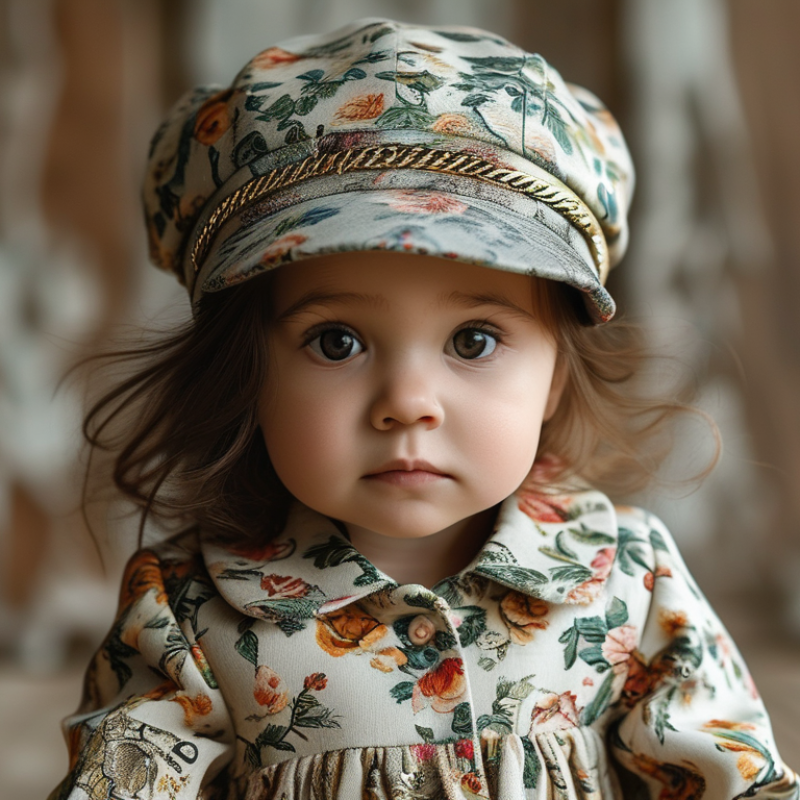
As the demand for replica baby designer clothes rises, sustainability is becoming crucial. Parents want stylish options that don't harm the planet. Recent reports indicate that the global sustainable fashion market is projected to grow by 9.7% annually until 2025. This growth emphasizes the importance of eco-friendly materials in baby clothing.
Emerging materials like organic cotton and recycled polyester are gaining traction. Organic cotton reduces pesticide use, significantly lowering environmental impact. Reports show that cotton production accounts for 24% of insecticide use globally. In contrast, recycled polyester, made from plastic bottles, diverts waste from landfills. Choosing these materials can decrease carbon footprints and promote a circular economy.
However, not all options are perfect. Some sustainable fabrics may be pricier or less durable, raising concerns about long-term investment. Parents often navigate the balance between style, price, and sustainability. It's essential to question the practices behind the clothing. Transparency about materials and manufacturing processes can empower informed purchases. This approach fosters a movement toward greater accountability in the industry.
| Trend | Emerging Materials | Sustainability Impact | Price Range |
|---|---|---|---|
| Organic Cotton | 100% organic cotton, free from pesticides | Low environmental impact, biodegradable | $20 - $50 |
| Recycled Polyester | Made from recycled plastic bottles | Reduces waste, conserves resources | $25 - $60 |
| Tencel Lyocell | Derived from sustainably sourced wood pulp | Closed-loop production process | $30 - $70 |
| Hemp Fabric | Natural and durable hemp fibers | Uses less water, naturally resistant | $15 - $45 |
| Bamboo Fabric | Soft and breathable bamboo fibers | Promotes fast-growing, renewable resource | $20 - $55 |
: Organic cotton and recycled polyester are gaining popularity. They are eco-friendly and reduce environmental impact.
Sustainability matters because parents seek stylish options that don't harm the planet. It supports a healthier future.
Yes, some sustainable options can be pricier. This raises questions about long-term investment for parents.
Social media platforms shape trends. Parents are influenced by stylish posts from popular figures in children's fashion.
Parents should check quality and safety. Informed choices help ensure fashionable and reliable garments for their children.
Engaging with other parents online is helpful. Joining fashion groups can provide insights and unique styling ideas.
No, not all replicas are alike. Some might lack the necessary craftsmanship and durability, causing buyer frustration.
Organic cotton reduces pesticide use. This significantly lowers the overall environmental impact of clothing production.
Reading reviews helps. It provides insights on sizing and fabric durability to make informed purchases.
Parents may struggle with finding stylish yet durable options. Balancing aesthetics and practicality can be difficult.
The article "2026 Top Trends in Replica Baby Designer Clothes to Buy" explores the burgeoning market for affordable luxury in baby fashion. It highlights emerging materials that prioritize sustainability, catering to environmentally conscious consumers. As the demand for Replica Baby Designer Clothes grows, top brands are setting new standards in design, making stylish options accessible for infants.
Additionally, color and design trends for 2026 show a shift towards vibrant, playful aesthetics, reflecting the desires of modern parents. Social media plays a crucial role in influencing purchasing decisions, as platforms showcase the latest in baby fashion while fostering a community of trendsetters. Overall, the landscape of Replica Baby Designer Clothes promises an exciting blend of style, affordability, and sustainability in the coming years.

 ManMa Bags