For global shoppers, finding an Hermès-inspired bag is less about chasing a logo and more about choosing quality, function, and personal style. As fashion designer Yves Saint Laurent famously put it, “Fashions fade, style is eternal.” That idea offers a useful starting point for this guide to seven alternatives: compare each bag on its own merits, not as a stand-in for a specific brand.
Searches for “Hermes Copy Bags” can lead to imitation goods, so this guide focuses on legitimate bags from independent and established labels. We’ll consider recognizable shapes, practical sizes, leather and non-leather materials, stitching, hardware, and everyday comfort. Look closely. A smooth finish in a product photo may feel stiff in person, and a roomy interior can still be awkward to organize. Those small mismatches matter.
For buyers across regions, price is only part of the calculation. Check the seller’s return terms, warranty coverage, shipping costs, and any import charges before ordering. Availability and after-sales support can differ widely by country. No alternative will reproduce every detail or the heritage of an Hermès bag—and it need not. Some picks may suit your budget but miss the feel you wanted. That is worth admitting. The best choice is the one whose materials, craftsmanship, and design make sense for your life, without relying on misleading branding.
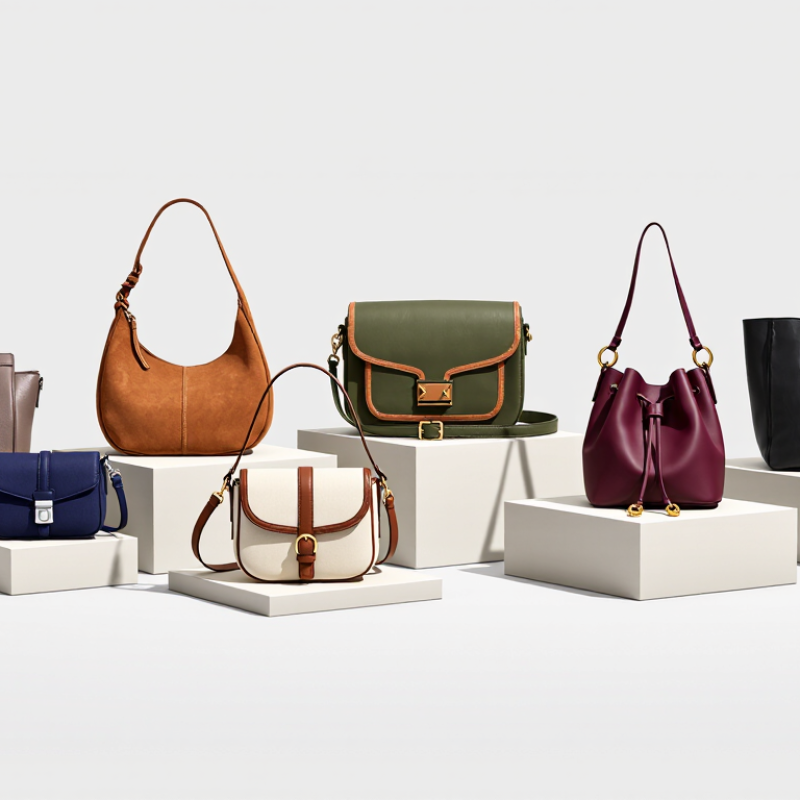
For global buyers, a meaningful alternative is more than a bag with a familiar shape. It should offer dependable construction, practical use, and clear information about materials and origin.
Check close-up photos of seams, handles, corners, and the interior lining. Ask about care instructions, since humidity, heat, and frequent rain can affect how materials age.
Details matter.
The right choice also depends on how you travel and what you carry. Measure the bag against a notebook, water bottle, or tablet you use daily; listed dimensions can be hard to picture. Look for accurate weight, strap-drop measurements, and secure closures.
Check delivery estimates, return terms, and any import charges before ordering, as these can differ by destination. Not just appearance. A polished finish may look convincing online, yet feel stiff or heavy in person.
Reviews with long-term wear photos can help, though lighting and personal expectations vary. No alternative will reproduce every detail or feel exactly, and that is worth admitting.
Focus on what you value most: comfort, durability, service, or price, then compare those points consistently.
When comparing refined leather-bag alternatives, start with shape and proportion, not a product photo’s styling. Check the bag’s width, depth, handle drop, and opening against items you carry daily. A structured silhouette may look elegant but feel awkward on a crowded train. Small details matter. Look for balanced hardware, neat edge paint, and closures that work without forcing the leather.
Craftsmanship is easier to judge through close, consistent evidence. Examine stitching around corners and handles, where uneven spacing or loose threads can signal rushed construction. Ask for clear interior and base photographs, plus information about repairs and warranty coverage. If buying remotely, confirm measurements and return terms before ordering. A polished image alone proves little.
Materials affect both appearance and long-term care. Ask what type of leather or textile is used, how it is finished, and whether color variation is expected. Natural grain can vary; that does not automatically mean poor quality. Still, vague material descriptions deserve questions. Consider your climate, too: frequent rain, heat, or dry indoor air may change how a bag needs to be stored and maintained. I sometimes give too much weight to surface softness; structure and practical care can matter more after months of use.
A polished top-handle bag in full-grain leather offers a premium alternative, with firm sides and neat stitching that hold their shape. For a lower price, consider a small-batch leather bag from an independent maker; inspect edge finishing and hardware before buying. A mid-range pebbled-leather satchel is another practical choice. Its textured surface can disguise small scratches from daily use. Details matter.
For more accessible options, a structured coated-canvas tote is light and easy to wipe clean, though it may feel less substantial. A simple vegan-leather top-handle bag usually costs less, but materials vary widely; check care instructions and return terms. A secondhand, pre-owned leather bag can offer stronger materials at a reduced price. Ask for clear photos of corners, handles, lining, and date or maker markings, and use a reputable resale service when possible. No photo tells the whole story.
The seventh option is a made-to-order bag from a local leatherworker, where size, color, and handle drop may be adjusted. This can cost more than mass-produced designs, and lead times can be unpredictable. Compare the bag’s weight, pocket layout, closure, and repair support with how you actually carry things. I have found that a beautiful shape is not always comfortable when loaded. Try it on, if you can.
Indicative USD retail price ranges for comparable bag styles. Prices vary by country, materials, taxes, and retailer.
Each bar shows a broad approximate price range, not a fixed price or brand-specific quote.
For polished alternatives, start with established department stores, the makers’ own websites, and specialist leather-goods shops with clear return policies. Structured top-handle bags often cost about US$250–900, while compact flap bags range from roughly US$180–700. A small satchel may run US$150–600. Check measurements and interior photos; online pictures can make a bag look larger than it is.
For softer everyday shapes, consider a bucket bag at US$120–500, a roomy tote at US$100–450, or a crossbody style at US$90–400. Woven or hand-finished options may reach US$800, especially when labor and materials are documented. Prices vary across regions. A bag listed at US$300 may cost more after local taxes, delivery, or currency conversion. Ask whether the quoted amount includes those charges.
In Europe, local leather shops and multi-brand retailers can offer in-person inspection; in North America and Asia, department-store sites and verified retail platforms provide broader selection. Compare grain, stitching, hardware weight, and the feel of the strap before buying. Keep the receipt. Resale prices are harder to predict, and condition matters more than a flattering listing. I would not treat any price range as fixed; seasonal discounts and import costs can change it quickly.
When comparing refined bag alternatives across markets, judge the actual item, not the polished listing alone. Request close-up photos of stitching, edge paint, lining, hardware, and strap attachments. Look for even seams and clean finishing; uneven spacing can suggest rushed production. Ask the seller for material details, maker information, a dated receipt, and a clear return policy. Details should agree across the listing, invoice, and package. A short video helps.
Tips: Check resale listings for similar styles and condition before buying. Treat asking prices as clues, not promises. Resale demand varies by material, color, age, and local market. Keep receipts and care records. Avoid assuming a high purchase price guarantees a strong future return.
Care needs differ. Smooth leather may show scratches quickly, while textured finishes can hide small marks but still collect dust. Store the bag upright, loosely filled with clean tissue, and away from direct sun or damp cupboards. Wipe hardware with a soft, dry cloth. For stains or color transfer, seek a qualified repair professional before trying household cleaners. I would still inspect it again after delivery; photographs can miss small flaws, and that is easy to overlook.
Look for firm sides, even stitching, and clean edge finishing. Check whether the handles feel comfortable in your hand.
Pebbled leather can disguise small scratches. Coated canvas is light and easy to wipe, but may feel less substantial.
Structured top-handle bags often cost US$250–900. Totes may range from US$100–450, while crossbody styles often cost US$90–400.
Review measurements and interior photos. Ask about taxes, delivery, currency conversion, and return terms. Pictures can be misleading.
Ask for close-ups of corners, handles, lining, stitching, and hardware. A short video can help, but it cannot show everything.
No. Resale demand depends on condition, material, color, age, and local market. Keep the receipt and care records.
Store it upright with clean tissue inside, away from sun and damp cupboards. Wipe hardware with a soft, dry cloth.
It may allow changes to size, color, and handle drop, but lead times can vary. Try it on when possible; a lovely shape may feel awkward when loaded.
This guide explains what makes a bag a thoughtful alternative to a high-end classic: practical proportions, enduring design, careful construction, and materials suited to everyday use. It compares seven options across different price ranges, helping readers weigh details such as stitching, hardware, lining, comfort, and durability rather than relying on appearance alone. The phrase “Hermes Copy Bags” may appear in online searches, but shoppers should look for legally marketed products with original designs and clear information about their makers and materials.
Availability and prices can vary by country, retailer, taxes, and shipping, so the guide outlines ways to compare worldwide listings and check return terms before buying. It also offers tips for assessing authenticity and documentation, considering resale potential without treating future value as guaranteed, and caring for leather or other materials. Together, these points help global buyers choose a well-made bag that fits their budget, style, and needs.

ManMa Bags