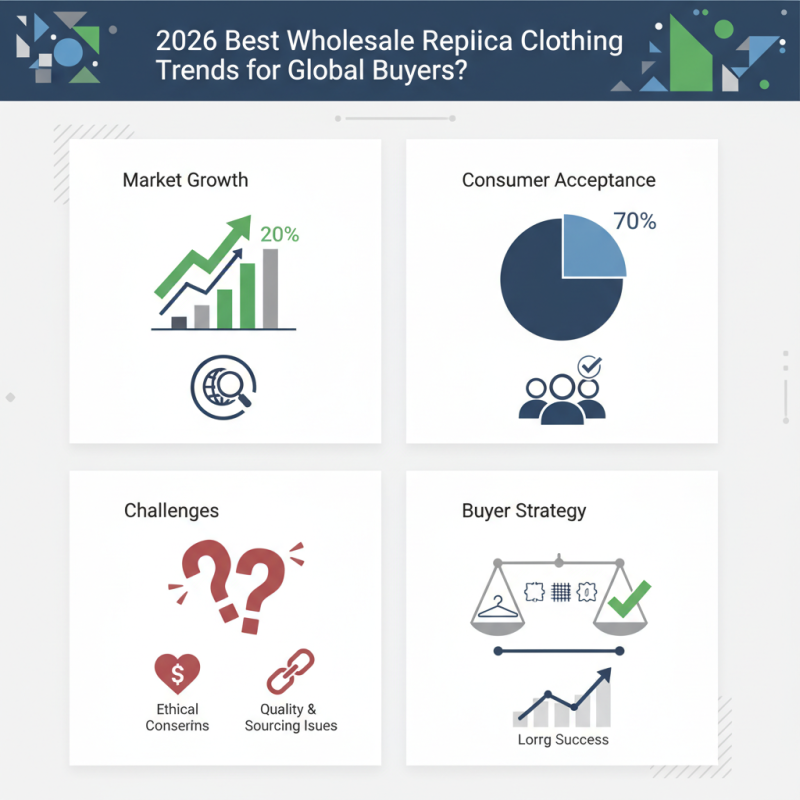
In the evolving fashion landscape, "Wholesale Replica Clothing" is emerging as a significant trend for global buyers. Industry analyses indicate a potential growth of over 20% in this sector by 2026. This growth is driven by affordability and accessibility, catering to consumers who desire high-fashion looks without the hefty price tags.
Recent reports highlight that nearly 70% of consumers are open to purchasing replica clothing. This shift reflects a changing attitude towards luxury brands and their pricing strategies. However, the market is not without its challenges. Buyers face ethical concerns and issues related to quality and sourcing.
As we navigate this diverse market, understanding consumer preferences is crucial. Targeting styles, materials, and pricing can enhance buyer satisfaction. Even with the advantages, buyers must carefully consider the implications of their choices. Balancing quality and cost can be tricky but is essential for long-term success in the wholesale replica clothing business.
As we look towards 2026, the world of wholesale replica clothing is evolving rapidly. Emerging styles reflect a blend of creativity and sustainable practices. Natural fabrics are gaining popularity. Buyers are increasingly seeking eco-friendly materials. This trend not only appeals to consumers but also aligns with global sustainability efforts.
In addition to materials, design aesthetics are also shifting. Bold colors and unique patterns are on the rise. Minimalist designs are still popular but are now complemented with intricate details. Textured fabrics are making a statement, enhancing visual appeal. E-commerce platforms will showcase these styles effectively, catering to diverse consumer preferences.
However, challenges persist. Sourcing high-quality replicas that comply with industry standards is crucial. Not all suppliers meet these standards, making research essential. Buyers must stay informed about market trends and sustainable practices. Navigating these complexities requires vigilance and a willingness to adapt. Embracing change will be key for success in this vibrant industry.
The world of replica clothing is evolving rapidly. Key factors shape these global trends. Market demand drives the creation of styles that mimic high-end fashion. Buyers are not just looking for affordability; they expect quality and craftsmanship. This shift challenges manufacturers to balance cost with quality.
Social media plays a vital role in influencing consumer preferences. Trends can go viral overnight, impacting what people wish to wear. Platforms like Instagram and TikTok showcase popular styles, creating a frenzy for specific pieces. However, trends also come and go. Some buyers might overlook sustainability in their rush to follow the latest fad.
Cultural influences also shape these markets. Different regions have varied tastes. What is popular in one area may not resonate elsewhere. It is essential to understand these nuances. Brands should not ignore customer feedback. Listening to buyers can lead to better designs and enhance satisfaction. The challenge lies in adapting to these diverse needs while maintaining credibility and quality.
This chart illustrates the percentage distribution of different replica clothing categories that are expected to trend in 2026. The data reflects global buyer preferences in the wholesale market.
The wholesale replica clothing market is evolving rapidly. Buyers are drawn to brands that offer affordability and variety. Emerging brands are focusing on high-quality materials, making their replicas look more authentic. This shift reflects consumer preferences for value and style. As buyers search for budget-friendly options, attention to detail becomes crucial.
Certain brands are setting trends in the market. They prioritize ethical production, promoting sustainability while meeting consumer demand. Diverse styles cater to different tastes, making it easier for buyers to find the right fit. However, competition can lead to inconsistencies in quality. Not every replica measures up. Some brands may focus more on profit than craftsmanship, which can disappoint buyers.
Observing these trends helps identify areas for improvement. Buyers should remain cautious of quality claims. Engaging with trusted sources can guide effective purchases. With the industry growing, staying informed is vital for making smart choices. Recognizing leadership in this sector can promote better standards and encourage accountability.
| Category | Trend Description | Popular Fabrics | Target Market |
|---|---|---|---|
| Athleisure | Comfortable and stylish activewear that can be worn both in and out of the gym. | Moisture-wicking fabrics, stretch blends | Fitness enthusiasts, casual wear shoppers |
| Streetwear | Trendy designs influenced by urban culture, often featuring bold graphics. | Cotton, denim, synthetic blends | Young adults, fashion-forward individuals |
| Sustainable Fashion | Eco-friendly materials and ethical production processes gaining popularity. | Organic cotton, recycled polyester | Environmentally conscious consumers |
| Luxury Duplication | High-quality replicas of designer clothing that mimic luxury aesthetics. | Silk blends, high-grade synthetics | Budget-conscious luxury buyers |
| Seasonal Trends | Replicas based on seasonal fashion shows and trends. | Varied, depending on the season | Fashion enthusiasts, runways followers |
The replica clothing industry is evolving, notably embracing sustainable practices. In a recent market analysis, approximately 54% of consumers prioritize eco-friendly options when shopping. This shift highlights a growing awareness of environmental impact. The adoption of sustainable materials, such as organic cotton and recycled polyester, is becoming standard within the sector.
However, challenges remain in achieving widespread sustainability. A study found that only 23% of companies in the replica clothing space have implemented fully transparent supply chains. This opacity can undermine consumer trust. Many brands still rely on fast fashion models that generate excessive waste. Continuous improvement is crucial, as brands must address these flaws while meeting global demand.
Innovation is key. Emerging technologies, such as blockchain, are enhancing traceability. This allows buyers to verify the sustainability claims of manufacturers. As sustainability remains a focal point, the industry needs to balance demand with responsible practices. The road ahead requires ongoing commitment and adaptation to ensure that eco-friendly initiatives are not just buzzwords.
As we look ahead to 2026, consumer preferences in wholesale replica clothing are evolving rapidly. Buyers are increasingly drawn to sustainable materials and ethical production practices. This shift indicates a demand for quality over quantity. Many consumers now seek unique designs that stand out, reflecting their personal style. Fast fashion may decline as shoppers prioritize sustainable choices.
**Tips:** Focus on sourcing materials that minimize environmental impact. Consider collaborations with designers to create exclusive pieces. This can differentiate your offerings from competitors.
Color trends will shift toward earthy tones and pastels. Buyers may lean toward versatile wardrobe staples that match various styles. Additionally, personalization is key. Offering customization can cater to niche markets and enhance consumer satisfaction. It's essential to stay current with trends but also to consider timeless pieces.
**Tips:** Engage with customers to understand their preferences. Use social media polls to gauge interest in designs and colors. This feedback loop can inform future collections and adjust your strategies accordingly.
: Market demand for affordable styles that mimic high-end fashion drives trends.
Social media affects preferences by showcasing popular styles that can go viral quickly.
Yes, about 54% of consumers prioritize eco-friendly options when shopping for clothes.
Sustainable materials like organic cotton and recycled polyester are becoming standard.
Many brands still operate opaque supply chains, which can undermine trust.
Using emerging technologies like blockchain can enhance traceability and verify claims.
Trends can fade quickly, pushing buyers to overlook lasting values like sustainability.
Yes, buyers expect quality and craftsmanship alongside affordability in their purchases.
Listening to customer feedback can help brands create better designs and meet diverse preferences.
Overemphasis on trends can lead to environmental neglect and excessive waste.
The article titled "2026 Best Wholesale Replica Clothing Trends for Global Buyers" explores the emerging styles and key factors shaping the wholesale replica clothing market for the upcoming year. It highlights how evolving fashion trends, cultural influences, and economic conditions are driving consumer interest in innovative designs and affordable alternatives.
Moreover, sustainability is becoming increasingly important in the replica clothing industry, with more brands adopting eco-friendly practices to meet consumer demands. As global buyers navigate this changing landscape, understanding consumer preferences will be crucial for seizing market opportunities and meeting the expectations of diverse markets. Overall, the wholesale replica clothing sector is poised for significant growth, embracing both style and sustainability in 2026.

ManMa Bags