Global buyers are asking a practical question: which Chinese shoe types offer comfort, durability, and dependable value? China’s footwear sector serves many markets, from lightweight canvas sneakers to work boots, sandals, running shoes, and everyday leather styles. Each category reflects different needs. Climate matters. So does shipping distance.
This guide examines the qualities buyers can inspect before choosing a supplier. Stitching should look even. Soles should bend without cracking. Insoles need consistent cushioning. Materials should match the product description. Size charts must use clear measurements, not vague labels. Small details reveal much. A poorly finished heel can cause discomfort within hours.
The phrase Best Replica Shoes often appears in online searches, but responsible buyers should distinguish legal private-label alternatives from counterfeit products. Matt Priest, a footwear-industry expert and former FDRA president, stated, “Counterfeiting is not a victimless crime.” That warning deserves attention. Legal compliance, honest branding, product testing, and transparent sourcing protect buyers and customers alike.
This overview will compare China’s leading shoe types by use, construction, seasonal demand, and purchasing risks. It will also consider supplier communication, packaging, returns, and quality inspections. No category is perfect. Even attractive prices can hide inconsistent sizing or weak after-sales support. A careful evaluation may feel slower, yet it usually prevents expensive mistakes. That is the point. Not every popular shoe suits every global market, and buyer expectations can change faster than product listings.
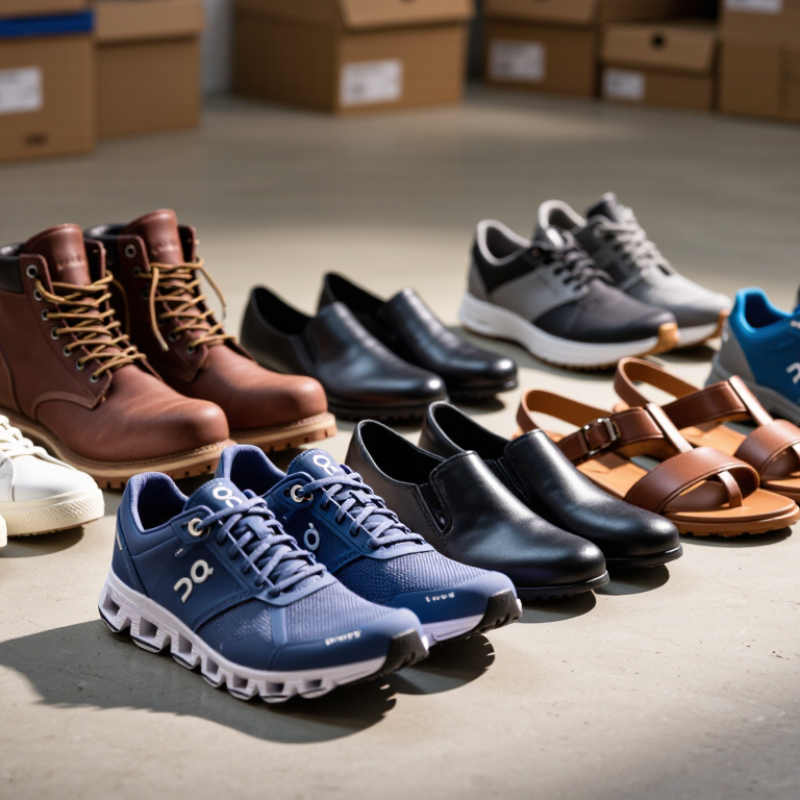
Major Shoe Types China Supplies to Global Buyers
China supplies a wide range of shoe types to global buyers. Athletic footwear remains a major category, including running shoes, training shoes, and lightweight sneakers. The World Footwear Yearbook 2024 reported that China produced about 55% of the world’s footwear in 2023. This scale supports flexible orders, varied materials, and competitive factory pricing.
Casual shoes are also widely supplied, especially canvas shoes, loafers, sandals, slippers, and everyday leather footwear. Work boots and protective shoes serve construction, logistics, and industrial buyers. Buyers should check testing records carefully, because comfort, grip, stitching, and material performance can vary between factories. The World Footwear Yearbook also recorded China as the leading footwear exporter, with roughly two-thirds of global footwear exports in 2023. However, export volume does not guarantee equal quality. That assumption needs reflection.
Tips: Match the shoe type with the target climate and use. Buyers in hot markets may prefer breathable mesh or sandals. Cold regions often require insulated boots and deeper outsoles. Ask for material samples, size measurements, packaging details, and pre-shipment inspections. A small trial order can reveal problems that product photos hide. Statista’s footwear market data shows continued demand for casual and athletic footwear, but trends change quickly. Buyers should avoid copying last season’s popular style without checking current customer feedback.
China supplies global buyers with a broad range of footwear. In 2023, footwear with rubber or plastic soles, leather uppers, and textile uppers represented the largest export categories. Figures are rounded export values based on UN Comtrade HS 64 trade classifications and exclude company and brand data.
Sneakers and Athletic Shoes for Everyday and Sports Use
Sneakers and athletic shoes remain practical choices for global buyers. They serve commuting, walking, gym training, and casual daily wear. Grand View Research valued the global athletic footwear market at about USD 152.4 billion in 2023. It also projects a 5.7% compound annual growth rate from 2024 to 2030. Demand is broad, but buyer expectations are becoming more specific.
China remains a major sourcing base. The World Footwear Yearbook 2024 reported that Asia produced 88% of global footwear in 2023, with China leading regional manufacturing. Reliable suppliers can offer knitted mesh uppers, molded EVA midsoles, rubber outsoles, and flexible heel counters. Buyers should inspect stitching, glue lines, toe-box space, and outsole grip. Small defects become expensive after large-scale delivery. A cheap sample can mislead.
Fit testing needs real movement. Walk on concrete. Try stairs. Test damp surfaces. For sports models, buyers should request abrasion, flexing, slip-resistance, and colorfastness reports from qualified laboratories. Materials may also require documentation for destination-market regulations. Performance claims should match test evidence, not attractive product language. This is where sourcing becomes less simple. Lightweight shoes feel comfortable, yet thin soles may wear faster. Cushioning also changes with temperature and body weight. A responsible buying decision compares comfort, durability, factory consistency, and landed cost rather than chasing the lowest quotation.
Leather Shoes, Boots, Sandals, and Slippers by Market Demand
Global buyers often start with four practical categories: leather shoes, boots, sandals, and slippers. Each serves a different climate, price point, and retail rhythm. In sourcing work, I compare material samples, stitching, outsole grip, and size consistency before discussing volume. Small details matter. A polished upper cannot rescue a slippery sole or uneven pair.
Leather shoes remain strong in officewear, schoolwear, and formal occasions. Buyers often request smooth or corrected leather, breathable linings, and durable heel construction. Neutral colors simplify international assortments, while wider fittings may improve repeat orders. However, “leather” needs careful verification. Grain, coating, thickness, and test reports should match the written specification. A sample may look excellent but age poorly after folding and moisture exposure.
Boot demand rises in cold regions and outdoor-focused markets. Waterproof seams, insulation, tread depth, and flexible uppers deserve hands-on testing. Sandals move quickly in warm markets, especially when straps feel soft and footbeds dry fast. Slippers sell across homes, hotels, travel, and recovery-focused retail. Buyers often favor washable materials and quiet, non-marking soles. Market data helps, but it can mislead when one season is unusually warm. I would test several sizes, walk on wet tiles, and inspect cartons before confirming production. Good sourcing is practical, measurable, and occasionally humbling.
Materials, Construction Methods, and Quality Standards
What Are China’s Top Shoe Types for Global Buyers?
Global buyers commonly source sneakers, casual vulcanized shoes, leather footwear, sandals, and safety shoes from China. The 2024 World Footwear Yearbook reports that global production reached approximately 23.9 billion pairs in 2023. That scale makes material selection critical. Mesh and recycled polyester support lightweight sneakers. Full-grain leather suits formal and outdoor styles. Rubber remains popular for durable soles, while EVA reduces weight and cushioning costs. However, a low-cost material may fail after repeated bending.
Construction methods strongly influence service life. Cemented shoes offer flexible styling and efficient volume production. Vulcanized construction bonds rubber under heat and pressure. Direct injection creates a firm connection between the upper and sole. Stitch-and-turn methods provide a cleaner appearance, but they often require tighter workmanship control. Buyers should request flexing, abrasion, bonding, colorfastness, and water-resistance test results. ISO 17707 covers footwear flexing performance, while ISO 2859-1 supports consistent sampling inspection. These standards help, but paperwork alone cannot replace factory experience.
Tips: Ask for a pre-production sample and a production-line sample. Compare stitching density, adhesive spread, sole alignment, and odor. Use AQL sampling under ISO 2859-1, then define acceptable defect limits in writing. SATRA or equivalent laboratory testing can add confidence. Still, quality judgments are not perfectly objective. A shoe can pass laboratory tests and feel uncomfortable in daily use. Wear trials matter.
How Global Buyers Compare Suppliers, Prices, and Customization Options
Global buyers often compare sneakers, sandals, boots, and slippers by use, season, and target market. Sneakers may offer steady demand, while sandals suit warm regions. Boots require stronger materials and stricter construction checks. Slippers compete mainly through comfort and price.
Supplier evaluation should begin with factory experience, production capacity, and quality procedures. Ask for recent product samples, material specifications, and inspection records. A reliable supplier explains stitching density, sole bonding, sizing tolerance, and packaging details clearly. Communication matters too. Slow replies can signal future delays, although this is not always true.
Price comparisons need more than a unit-cost table. Buyers should calculate materials, molds, packaging, freight, duties, and payment terms. A lower quote may hide weaker soles or limited quality control. Custom options include colors, upper materials, logos, insoles, outsole patterns, and box dimensions. Confirm minimum order quantities before developing samples. Small orders may cost more per pair. That can still be practical for market testing. Sample approval should cover fit, odor, color consistency, and walking comfort. One overlooked issue is size grading between markets. A technically accurate chart may still produce uncomfortable shoes. Recheck it with real users. No comparison is perfect.
FAQS
Common options include sneakers, casual shoes, sandals, boots, and slippers. Each type suits different climates, activities, and price levels.
Knitted mesh and recycled polyester can reduce weight and improve airflow. EVA midsoles add cushioning, while rubber outsoles improve traction. Thin soles may wear sooner. Test them carefully.
Request a pre-production sample and a production-line sample. Compare stitching, glue lines, sole alignment, odor, and toe-box space. Small flaws become expensive.
Request flexing, abrasion, slip-resistance, colorfastness, and water-resistance results from qualified laboratories. Walk on concrete, use stairs, and test damp surfaces.
Review factory experience, production capacity, inspection procedures, samples, material details, and communication speed. Ask for recent inspection records when available. Fast replies are helpful, not proof.
Calculate materials, molds, packaging, freight, duties, payment terms, and inspection expenses. A low unit price may hide weaker soles or limited quality control.
Confirm colors, upper materials, insoles, outsole patterns, packaging, dimensions, and minimum order quantities. Sample approval should include fit, odor, color consistency, and walking comfort.
Size charts can be technically correct yet uncomfortable for real users. Test several sizes with people who walk, climb stairs, and wear everyday socks. Numbers can still mislead.
No. Reports support performance claims, but they cannot fully predict daily comfort or long-term satisfaction. Real wear trials remain necessary. Paperwork is not enough.
Conclusion
China supplies a broad range of footwear to global buyers, including sneakers, athletic shoes, leather shoes, boots, sandals, and slippers. Sneakers and sports footwear are popular for everyday wear, fitness, and outdoor activities, while leather styles, boots, sandals, and slippers serve different climates, age groups, and market preferences. Buyers can also select from materials such as leather, synthetic fabrics, mesh, rubber, and recycled textiles, with construction methods ranging from cemented and vulcanized soles to stitched designs. Quality standards typically focus on comfort, durability, sizing consistency, material safety, and production reliability.
When comparing suppliers, global buyers should evaluate factory experience, sample quality, minimum order quantities, pricing, lead times, packaging, and customization services. Private-label development, color changes, logo-free designs, and custom sizing may be available depending on the supplier. Although some online searches use the phrase “Best Replica Shoes,” responsible buyers should choose original, lawful designs that respect intellectual property rights and comply with import regulations. Careful supplier audits and clear product specifications can help ensure consistent quality and long-term cooperation.

 ManMa Bags