China’s shoe industry is broad, fast-moving, and difficult to judge from photographs alone. Global buyers researching Shoe Replicas should examine materials, construction, labeling, supplier records, and intended use. A familiar logo does not prove authenticity. Neither does a low price prove good value.
Footwear historian Elizabeth Semmelhack describes sneakers as “a form of self-expression.” Her observation matters because buyers often assess emotional appeal before practical risk. A replica may resemble a popular silhouette, yet its foam, adhesive, stitching, or sizing can differ noticeably. Picture a poorly bonded sole separating after several rainy walks. Small defects become expensive problems.
Responsible sourcing requires more than finding a factory with attractive samples. Buyers should request clear product descriptions, accurate invoices, material information, and independent quality checks. They should also confirm that branding, packaging, and product claims do not mislead customers. Rules vary by market, and ignorance is not a reliable business strategy. Compliance deserves specialist advice.
This guide focuses on lawful, transparent purchasing decisions. It does not promote counterfeit branding or deceptive sales. Instead, it examines how global buyers can compare unbranded alternatives, licensed products, and authorized footwear. Some supplier promises will sound impressive. They may still be incomplete. That uncertainty is worth acknowledging.
The strongest evaluation combines hands-on inspection, documented communication, and realistic expectations. Buyers should ask uncomfortable questions early. Trust should be earned, not assumed.
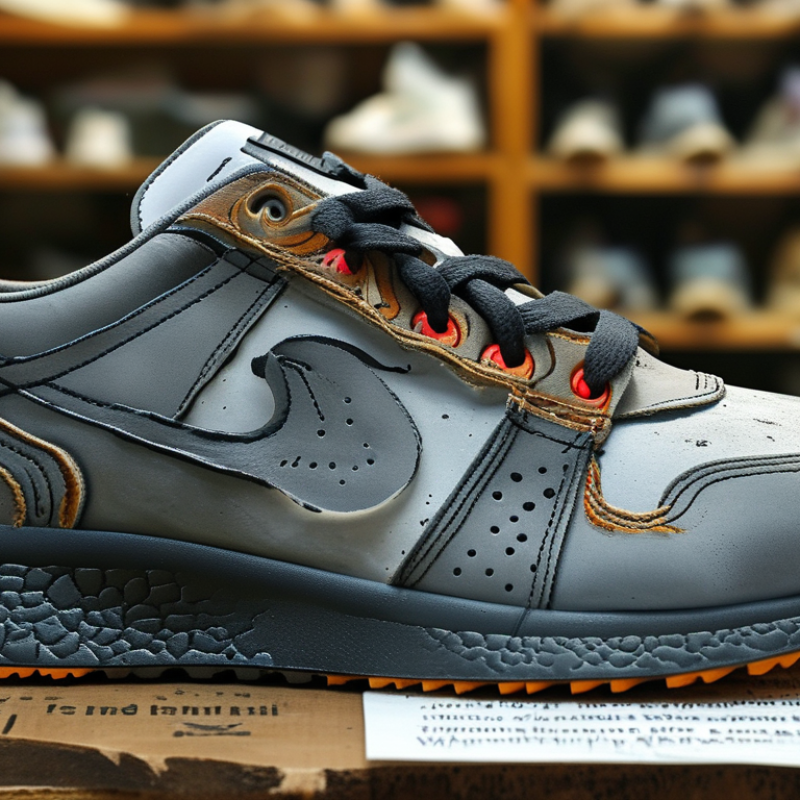
In China’s global market, “top shoe replicas” is usually an informal search term, not a verified quality category. It may describe look-alike footwear, factory surplus, or private-label designs with similar visual features. These products are not automatically safe, durable, or legally suitable for export. Buyers should request material specifications, production photos, size charts, and independent test reports. A polished sample can still hide weak stitching, unstable soles, or poor chemical control.
Tips: Ask for a written product description. Confirm that the design is independently created or properly licensed. Check factory registration, audit records, packaging details, and batch traceability. Compare samples from different production runs. Small differences matter. Use a qualified inspection company before shipment, and review destination-market requirements for labeling, safety, and consumer protection.
Professional sourcing requires careful language and evidence. Terms like “top,” “1:1,” or “premium replica” are marketing claims, not technical standards. Buyers should focus on measurable performance, including abrasion resistance, bonding strength, odor, and fit consistency. A supplier who avoids documentation deserves caution. Even experienced purchasers can judge too quickly from photographs. That is an area worth improving. A lawful private-label project may offer clearer ownership, stronger quality control, and fewer customs or marketplace problems. Dialogue should remain precise, documented, and realistic.
| Market Dimension | Evidence-Based Information | What Global Buyers Should Understand | Risk Level |
|---|---|---|---|
| Meaning of “Top Shoe Replicas” | The phrase generally refers to unauthorized footwear made to imitate the appearance, design details, packaging, or identifiers of an established product. Terms such as “1:1,” “mirror quality,” or “top quality” are marketing descriptions rather than recognized technical standards. | There is no universally accepted grading system for replica footwear. Quality claims should not be treated as independent certification. | High |
| Global Counterfeit Trade Context | OECD and EUIPO estimated that counterfeit and pirated goods accounted for up to 2.5% of global trade, with an estimated value of approximately US$464 billion based on 2019 trade data. | Unauthorized footwear is part of a significant cross-border intellectual-property enforcement issue, not simply a low-cost sourcing category. | High |
| Product Authenticity | Visual similarity does not establish authenticity. Logos, labels, serial references, packaging, and product images can be copied or altered. | Photographs, factory claims, and seller ratings alone cannot reliably verify origin or authorization. | High |
| Intellectual-Property Exposure | Unauthorized use of trademarks, copyrighted artwork, protected designs, or confusingly similar trade dress may create legal exposure depending on the importing and selling jurisdictions. | Importers, distributors, and online sellers may face takedowns, seizure, civil claims, penalties, or loss of inventory. | High |
| Customs and Border Controls | Customs authorities in many markets may detain, inspect, seize, destroy, or return suspected counterfeit shipments. Small parcels are not automatically exempt from inspection. | Declared value, shipping method, or split shipments does not remove intellectual-property or customs risk. | High |
| Materials and Construction | Replica footwear may use different grades of leather, synthetic materials, adhesives, foam, rubber compounds, stitching, and structural components than the product it imitates. | Differences may affect durability, comfort, odor, colorfastness, slip resistance, and chemical safety. | Medium to High |
| Product Safety and Compliance | Footwear sold internationally may be subject to consumer-product, labeling, chemical, packaging, and product-safety requirements that vary by destination market. | Do not assume that an imitation product has passed recognized testing or complies with destination-country requirements. | High |
| Supplier Verification | A business registration, factory photograph, marketplace profile, or inspection document does not by itself prove authorization to manufacture branded goods. | Verify legal identity, manufacturing authorization, test records, traceability, and ownership of product-related intellectual-property rights. | Medium to High |
| Payment and Fraud Risk | Cross-border transactions may involve counterfeit documentation, substituted goods, disappearing sellers, unauthorized payment requests, or pressure to use irreversible payment methods. | Use documented contracts, verifiable counterparties, protected payment arrangements, and independent inspection where legally appropriate. | Medium to High |
| Commercial Resale | Reselling unauthorized replicas can trigger marketplace removal, payment-account restrictions, customs intervention, customer complaints, and brand-enforcement action. | Commercial buyers should confirm that products are legally authorized, accurately described, and supported by a valid supply chain. | High |
| Consumer Transparency | Describing a product as “authentic,” “official,” or “authorized” without reliable evidence may be misleading and may violate consumer-protection rules. | Product descriptions should accurately state origin, authorization status, materials, sizing, warranty terms, and return conditions. | High |
| Lower-Risk Sourcing Alternatives | Generally safer options include unbranded original designs, private-label products with documented rights, licensed manufacturing, authorized surplus, and legitimate second-hand channels. | These alternatives can reduce infringement exposure while still allowing buyers to evaluate price, quality, and production capability. | Lower |
: Customs may detain or seize shoes that copy protected logos, artwork, packaging, or labels. Storage fees, destruction costs, fines, and civil claims may follow. Rules vary by destination.
Request the supplier’s registered legal name, factory address, invoice, origin details, and product authorization. Keep payment records, product descriptions, and shipping instructions. Paperwork matters.
Customs may question an unusually low invoice or inconsistent product description. Officials can reassess duties and taxes. An inexpensive invoice may create an expensive problem.
Check material composition, safety information, labeling, tariff classification, and size details. Children’s footwear may face additional safety or chemical rules. Local requirements can change.
Ask for factory videos showing cutting tables, stitching lines, storage areas, and packing stations. Request production capacity, audit records, and specific material information. Attractive photos prove little.
No. A certificate may not reflect every production batch or actual product quality. Verify its number, scope, and issuing details. Compare reports with a physical sample.
Use a written specification sheet with photos, defect limits, carton measurements, and delivery dates. Start with a modest trial order. An independent inspection can check quantity, glue, sizing, and packaging damage.
No. Informal assurances do not replace legal or customs advice. A qualified broker or intellectual property lawyer can explain destination rules. I might still miss a changing local requirement.
In China’s global footwear market, the term “Shoe Replicas” can describe products designed to resemble popular styles, but quality, materials, workmanship, and grading may vary widely. Buyers should carefully review product specifications, sample quality, factory capabilities, production standards, and communication before placing an order. Clear agreements on materials, sizing, inspection procedures, packaging, delivery schedules, and after-sales support can help reduce misunderstandings and improve reliability.
International buyers should also confirm that products respect intellectual property rights, customs requirements, labeling rules, and import regulations in the destination market. Rather than purchasing unauthorized copies, businesses can consider unbranded footwear, private-label manufacturing, original designs, licensed products, or legally compliant alternatives. These options offer greater control over quality, branding, documentation, and long-term supply stability while supporting responsible international trade.

 ManMa Bags