How to Source Legal Alternatives to Jordan Replica Shoes?

Time:2026-09-21 Author:Mason
0%

When shoppers search for Jordan Replica Shoes, they may be seeking affordable basketball footwear. However, imitation products can create trademark, quality, and safety concerns. A safer approach is to explore legal alternatives through authorized retailers, verified resale platforms, outlet stores, and independent brands with original designs.

The sourcing process should begin with clear product evidence. Check the seller’s business details, return policy, invoices, and product photographs. Look for worn stitching, uneven logos, weak packaging, or suspiciously low prices. These details can reveal unreliable supply chains. Verified resale services may offer authentication, but their procedures and guarantees differ. Read the terms carefully.

Consider genuine older releases, outlet discounts, official collaborations, or performance shoes with similar cushioning. Some smaller brands create basketball-inspired styles without copying protected logos or distinctive design elements. That distinction matters. Legal rules also vary by country, especially for imports, advertising, and resale. Consult current guidance from customs authorities, trademark offices, or qualified legal professionals before placing a large order.

I have found that cheap sourcing often hides expensive problems. Returns become difficult. Quality claims become uncertain. Even trusted marketplaces can make mistakes. That deserves honest attention. A reliable comparison should examine material safety, seller transparency, warranty coverage, and long-term value. The goal is not to imitate a famous product blindly. It is to find comfortable, authentic, and legally sourced footwear that meets the buyer’s budget and purpose.
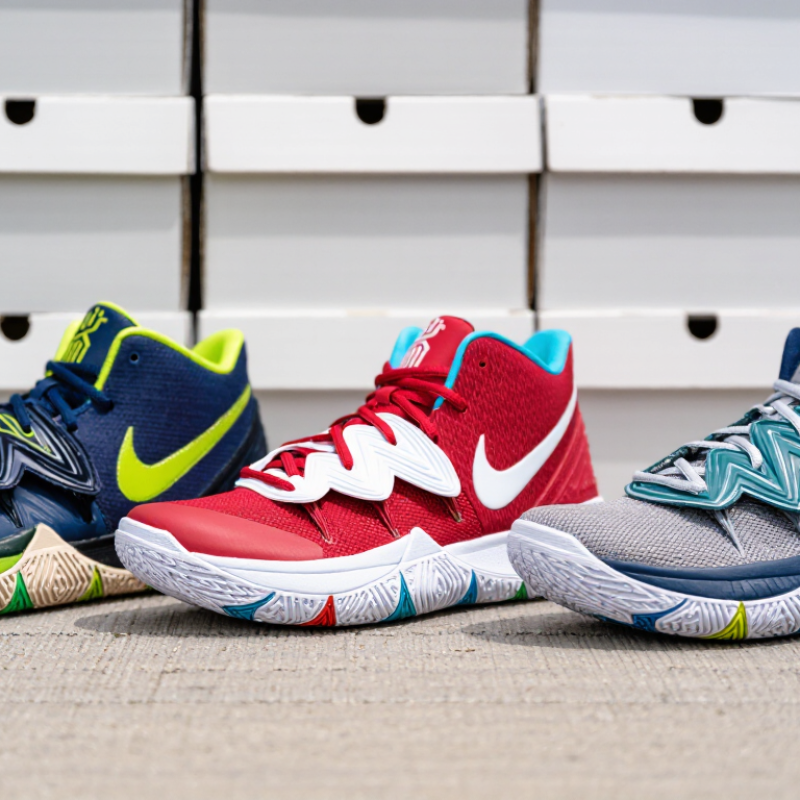
How to Source Legal Alternatives to Jordan Replica Shoes?

Define “Legal Alternative” Using OECD’s 2.5% Counterfeit-Trade Estimate

When shoppers search for legal alternatives to replica basketball shoes, the first task is defining “legal” precisely. The OECD and EUIPO estimated that counterfeit goods represented about 2.5% of global trade, using 2016 customs data. That figure is broad. It covers many product categories, not one shoe type, seller, or marketplace. It should guide caution, not prove that a particular listing is counterfeit.

A compliant alternative should have an independent design, traceable production, and no unauthorized logos, names, or confusing details. In practical sourcing, request a dated invoice, factory information, material specifications, and a clear returns policy. Photograph the box, stitching, outsole, and size label before approving inventory. Check whether the seller’s company details match public business records. An unusually low price is a warning sign, not conclusive evidence. Price alone cannot decide legality.

Look for unbranded court-style shoes from established manufacturers or authorized distributors. Ask for written confirmation that the artwork and labeling are original. Keep those records with purchase orders and product photographs. That process supports professional due diligence. Still, no checklist is perfect. I have seen clean paperwork hide inconsistent materials, so physical inspection remains essential. Local rules may differ, and a qualified lawyer should review uncertain cases.

Verify Suppliers Against CBP’s $2.4 Billion Counterfeit-Seizure Benchmark

Sourcing legal alternatives to replica shoes starts with a different mindset. Look for unbranded footwear, private-label collections, or original designs from documented manufacturers. A low price alone proves nothing. I learned this after receiving a sample with mismatched labels, weak stitching, and an invoice missing the factory address.

The reported $2.4 billion U.S. Customs and Border Protection counterfeit-seizure benchmark shows why supplier checks matter. It should not be treated as a purchasing target or a legal threshold. Instead, use it as a warning about scale, financial exposure, and inspection risk. Ask each supplier for business registration, factory details, material records, and written confirmation of design ownership. Check whether product photos match the physical sample. Request a dated commercial invoice before placing a large order.

Traceability matters. Keep email records, payment documents, sample approvals, and shipping information in one file. Search the supplier’s address independently, and speak with a verifiable company representative. Marketplace reviews can help, but they are not proof. I once trusted polished photographs too quickly; the delivered soles differed from the approved sample. That mistake changed my process.

Choose suppliers willing to explain their production chain clearly. They should accept reasonable inspections and correct documentation. If answers become vague when ownership or materials are discussed, pause the order. A compliant alternative may cost more, but predictable quality is easier to defend. Good intentions are not enough.

How to Source Legal Alternatives to Jordan Replica Shoes?

Verify suppliers against the U.S. Customs and Border Protection counterfeit-seizure benchmark. The figures below show the estimated manufacturer’s suggested retail value of counterfeit goods seized in each fiscal year.

Use this benchmark as a risk-screening reference: request invoices, proof of authorization, supply-chain records, and product authenticity documentation before purchasing footwear from a supplier. Values represent estimated MSRP, not confirmed transaction value.

Compare Authorized Jordans, Licensed Models, and Custom Sneakers

How to Source Legal Alternatives to Replica Basketball Shoes?

When I shop for basketball footwear, I check the seller before checking the colorway. Authorized shoes come from approved retailers and include clear receipts, product labels, and return policies.

This evidence matters when listings use vague words like “factory version” or “same quality.” Licensed models offer another path. They are made under formal permission and may feature familiar silhouettes without copying unauthorized details. Their materials can differ, so inspect stitching, cushioning, and size information before buying.

Custom sneakers can feel more personal. A legitimate artist can repaint or rebuild a lawfully purchased pair with original artwork. Ask for photos of previous work, written pricing, and details about the base shoe.

Avoid designs that imitate protected marks or suggest official approval. Customs are not always perfect. Paint may crack near flex points, and handmade results can vary. I once valued appearance over comfort, which was a poor trade during long walks.

Tips: Buy from traceable retailers. Keep invoices and product photos. Compare return terms before payment. Check the outsole, tongue label, and box details. Read independent reviews, not only seller comments. If a price feels unusually low, pause and investigate. A useful question is simple: “Who made this, and under what authorization?”

Check Trademarks, Resale Rights, and EUIPO’s €12 Billion Footwear Loss

Sourcing legal alternatives to replica footwear starts with a simple question: what exactly is being sold? A genuine pre-owned pair, an authorized resale item, and an unlicensed copy are not legally equivalent. Check the trademark, design, and seller information before ordering stock.

EUIPO has cited footwear losses of roughly €12 billion annually from counterfeit activity, although figures and reporting periods should be verified in the latest report. This estimate shows the wider cost: lost tax revenue, damaged supply chains, and uncertain product safety. It is not proof that every low-priced shoe is counterfeit. That assumption needs care.

For resale, request purchase invoices, product photographs, serial details, and a clear ownership history. Confirm whether resale rights and trademark exhaustion apply in the destination country. Rules can differ between EU member states and non-EU markets. Search relevant records through EUIPO and national intellectual-property offices. Use established distributors with written policies, not vague marketplace promises. “Authentic” is not enough.

Avoid designs that reproduce protected logos, distinctive patterns, or confusingly similar packaging. A plain athletic shoe with independent styling is usually easier to assess. Keep customs documents, VAT records, and supplier agreements together. I would also test a small shipment first; paperwork can look convincing and still contain gaps. Independent legal review may cost more upfront, but it can prevent an expensive seizure or customer dispute.

Document Invoices, Authentication, and Chain of Custody Before Purchase

When sourcing legal alternatives to replica-style footwear, begin with a complete paper trail. Request a commercial invoice showing the seller’s legal name, address, product description, quantity, date, and payment record. A chat screenshot is not enough. The OECD and EUIPO estimated that counterfeit and pirated goods represented up to 3.3% of global trade, worth about $509 billion in 2016. That figure shows why informal sourcing deserves careful review.

Ask for authentication before purchase, not after delivery. A qualified service should inspect materials, stitching, labels, packaging, and manufacturing consistency. Request a written report with the item’s serial reference, inspection date, examiner, and limitations. No inspection is perfect. I have seen clean-looking footwear fail under detailed checks. That uncertainty should appear in the records, rather than being hidden.

Chain of custody matters. The seller should identify where the footwear was acquired, who stored it, and who handled it before shipment. Compare the invoice, authentication report, photographs, and shipping label. Any mismatch deserves a pause. The International Trademark Association has repeatedly emphasized traceability and consumer education as practical tools against illicit trade. For safer purchasing, choose authorized distributors, documented secondhand sellers, or unbranded designs with clear manufacturing records. Keep every document for the full return or warranty period. A missing invoice can weaken an otherwise reasonable purchase.

FAQS

What makes a basketball shoe a legal alternative?

It should have an independent design and traceable production. It must avoid unauthorized logos, names, and confusing details. Legal status depends on evidence, not appearance alone.

Is an unusually low price proof that a shoe is illegal?

No. Price is only a warning sign. A low-priced shoe may have different materials or simpler packaging. Check invoices, seller details, and product construction before deciding.

What documents should I request before buying?

Request a dated commercial invoice with the seller’s legal name and address. It should list the product, quantity, payment, and purchase date. A chat screenshot is not enough.

How can I check whether a seller is traceable?

Compare the seller’s details with public business records. Ask for factory information and a clear returns policy. Be cautious when the seller avoids specific answers.

What physical details should I inspect?

Photograph the box, stitching, outsole, tongue label, and size label. Check whether materials match the written specifications. Look closely.

Are licensed basketball-style models always suitable?

Formal permission usually provides stronger documentation. However, materials, cushioning, and sizing may differ from familiar designs. Inspect the actual pair before payment.

Can custom sneakers be a legal option?

Yes, when an artist works on a lawfully purchased base shoe. The artwork should be original and should not suggest official approval. Paint can crack near flex points. Handmade results vary.

What does authentication paperwork need to include?

A useful report names the inspection date, item reference, examiner, and limitations. It should discuss materials, stitching, labels, packaging, and construction consistency. No inspection is perfect.

Why does chain of custody matter?

It shows where the footwear came from and who handled it before shipment. Compare the invoice, photographs, report, and shipping label. Any mismatch deserves a pause.

How long should I keep purchase records?

Keep invoices, photographs, reports, and shipping records through the return or warranty period. A missing invoice can weaken a reasonable purchase. Paperwork helps, but physical inspection still matters.

Conclusion

Sourcing legal alternatives to Jordan Replica Shoes begins with understanding what “legal alternative” means: a product that does not copy protected designs, logos, packaging, or branding without permission. The OECD’s estimate that counterfeit goods represent about 2.5% of global trade highlights why careful supplier screening matters. Buyers should request verifiable business details, product descriptions, and invoices, then compare suppliers against customs enforcement concerns, including the CBP’s reported $2.4 billion counterfeit-seizure benchmark.

A responsible buyer can consider authorized footwear, properly licensed models, or custom sneakers using original, non-infringing artwork. Before purchasing, check trademark ownership, resale permissions, licensing terms, and regional requirements, especially in light of the EUIPO’s estimated €12 billion annual loss linked to counterfeit footwear. Keep complete records, including invoices, authentication reports, supplier communications, and chain-of-custody evidence. These steps support transparent purchasing, reduce legal and financial risk, and help ensure that every pair is sourced through a legitimate channel.


Mason

Mason

Mason is a seasoned marketing professional with a deep expertise in the company's offerings and a passion for driving brand awareness. With a strong background in digital marketing strategies, he has an innate ability to connect with diverse audiences and effectively communicate product benefits.......