Sourcing an authentic Goyard bag in 2026 takes more than recognizing the Saint Louis tote’s familiar silhouette. You need a seller whose history can be checked, clear photographs of the bag’s details, and written terms covering condition and returns. Look closely. Ask for close-ups of stitching, handles, corners, interior, and any included documentation. No single detail proves authenticity, and a polished listing is not proof.
The resale market makes careful checks increasingly relevant. ThredUp’s 2025 Resale Report projects that the global secondhand apparel market will reach $367 billion by 2029. That figure covers apparel broadly, not Goyard bags specifically, but it signals a larger market where product claims deserve scrutiny. Entrupy co-founder and CEO Vidyuth Srinivasan works in luxury authentication; his approach emphasizes combining evidence rather than relying on one visual clue. In practical terms: assess the item, seller, and available records together.
Searches for “Goyard Copy Bags” may lead to replica listings, so this guide uses the phrase to distinguish copies from authentic bags—not to recommend them. A responsible purchase should be described accurately, supported by verifiable information, and made through a seller willing to answer specific questions. Even careful inspection has limits. Photos can hide wear, and paperwork alone may not settle doubts. When evidence is thin, pause and seek an independent assessment before paying.
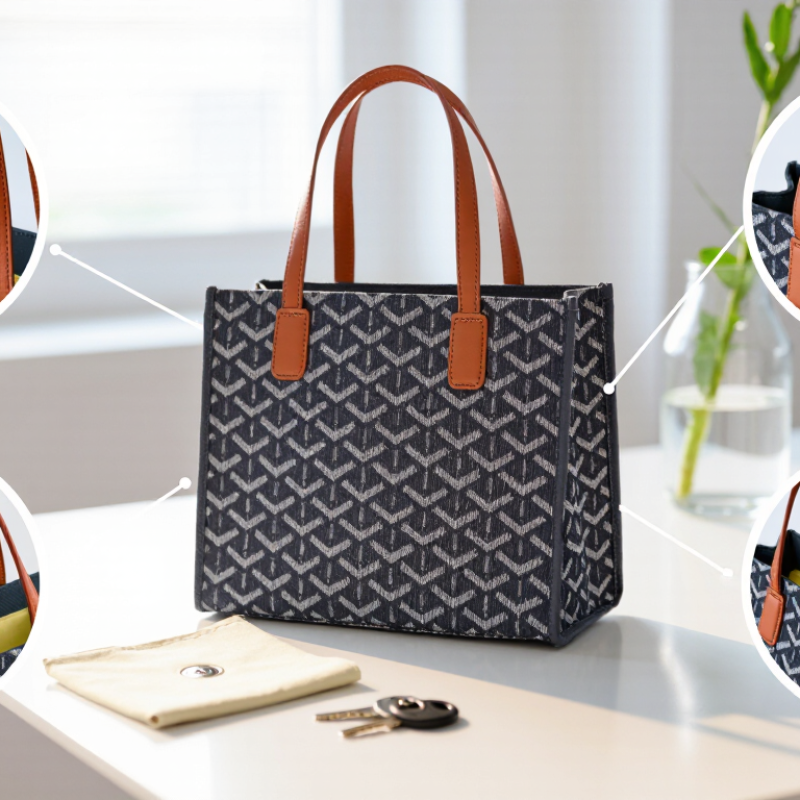
In 2026, buying a sought-after heritage handbag means comparing two different markets: authorized retail and resale. Retail availability may be limited, while resale prices can shift with condition, color, and demand. Bain-Altagamma’s 2024 luxury study estimated the global secondhand luxury market at about €48 billion, up 7% year over year. That figure covers more than handbags, so it is useful context, not a price guide for one model. Small distinction. It matters.
On the resale side, check the full listing, not just polished photos. Ask for clear images of corners, handles, interior lining, stamps, and hardware under natural light. Request dated proof of purchase when available, and review the seller’s return and inspection terms before paying. A reputable specialist can assess construction and materials, but no single detail proves authenticity. Bain’s market data also cannot verify an individual bag. That part takes care. At retail, contact authorized stores directly about current availability and purchase terms; avoid relying on old price lists, since prices and stock can change. I would treat unusually low prices as a reason to pause, not as proof of a problem. A little uncertainty remains, even after careful checks.
Choosing a reliable source for an authentic bag begins with verifiable details, not polished photography. Look for clear seller information, a written return policy, and a record of the bag’s ownership or purchase history. Ask for sharp images of the stitching, corners, interior, hardware, and any identifying markings. Good sellers should answer specific questions without rushing you. Vague replies are a warning. A receipt can help, but it is not proof by itself; documents and bags can become separated.
Use an independent authentication service with experience assessing this type of item, and ask what its review covers. Some services rely only on photographs, which can limit their confidence. That detail matters. Compare the seller’s images with the service’s requirements before paying. Keep the listing, messages, payment confirmation, and authentication result together. A secure payment method and clear return terms add protection if the item differs from its description. I once thought a confident seller sounded reassuring; that was not a useful test. Consistent evidence is better, though no single check can remove every doubt. If the seller resists reasonable questions, pause and look elsewhere.
Use this practical checklist to assess a seller and listing before you buy. Each bar counts the two checks listed for that area; it is a guide, not an authentication score or guarantee.
Seller: Verify the seller’s identity and contact details; read the written return policy. Provenance: Request available purchase history or receipts; check that the details match the listing. Item details: Ask for clear close-up photos; consider an independent authentication review. Payment and protection: Use a payment method with buyer protection; get a written record of the item’s description and condition.
Seller reputation is useful, but it is not authentication. Review the account’s age, completed sales, and feedback over several months. A sudden burst of praise deserves a closer look. Ask for clear, current photographs beside a handwritten date, including corners, handles, interior markings, and wear. Details matter. Compare the images with the seller’s older listings. Reused photos, changing descriptions, or pressure to pay quickly weaken confidence. A polished profile can still leave gaps, so note what you cannot verify independently.
Provenance should form a coherent timeline. Request available purchase receipts, resale invoices, and repair records, then compare dates, item descriptions, and condition notes. Missing paperwork alone does not prove a problem; records can be lost, especially for older pieces. Treat claims as leads, not proof. GlobalData’s 2024 Resale Report estimated that U.S. secondhand apparel sales grew 11% in 2023, about five times faster than the wider clothing market. That figure covers apparel overall, not luxury bags specifically, but it shows why careful screening matters in a growing resale market. Keep copies of seller messages, and consider an independent specialist’s inspection when details remain uncertain. Pause when unsure.
Inspect the materials in daylight. Coated canvas should feel structured, not brittle or unusually sticky. Check whether the pattern aligns cleanly across seams and whether its edges look deliberate. Leather trim should show consistent color, grain, and finishing. Stitching deserves close attention: look for even spacing, secure thread ends, and corners that do not pucker. Small irregularities can occur in hand-finished work, but they should not excuse careless construction. A polished surface alone proves little.
Details need to agree with one another. Compare the lining, hardware, stamp, and handle attachment with reliable reference photographs of the same model and production period. Avoid judging authenticity from one feature; genuine materials can age, and repairs may change details. The OECD and EUIPO’s 2021 report estimated counterfeit and pirated goods reached 2.5% of world trade in 2019. That figure covers many product types, not handbags specifically, but it underscores why careful verification matters. Request clear close-ups, a dated receipt when available, and an independent inspection for high-value purchases. No single document guarantees authenticity.
Tips: Use a soft cloth and neutral light when examining surfaces. Photograph seams, corners, and hardware. If details conflict, pause. I would rather miss a promising listing than explain away several mismatches later.
Before paying, ask the seller to confirm the item’s condition, included accessories, return terms, and shipping method in writing. Save the listing as a PDF or take clear screenshots, including the price, date, and seller’s description. Request close-up photos of corners, handles, stitching, interior markings, and any wear. Keep questions and answers in the same message thread where possible. Details matter.
Use a payment method that provides a clear transaction record, and make sure the recipient name matches the seller or business you contacted. Keep the order confirmation, receipt, shipping updates, and delivery notice together. When the parcel arrives, photograph the unopened package and document any damage before discarding the packaging. This may feel overly careful, but it is useful if details are disputed later.
Store authentication notes alongside those records, including the evaluator’s name, assessment date, photographs reviewed, and any stated limitations. An opinion is not an absolute guarantee, and a tidy receipt alone proves little. I would avoid relying on a cropped screenshot or a seller’s verbal assurance; those can be easy to misread. Keep an unedited copy of the original files, plus a simple note explaining where each came from. Check the folder again after purchase. Small gaps happen.
| Stage | What to Check | Useful Evidence or Action | Records to Keep | Practical Caution |
|---|---|---|---|---|
| Before contacting the seller | Review the listing for clear photographs, a precise condition description, measurements, and any disclosed repairs or alterations. | Compare the listing details with independent reference material for the specific model and production period. Ask for additional photographs of relevant details. | Save the original listing, photographs, item description, and the date you viewed them. | Stock images or limited photographs do not establish authenticity or condition. |
| Seller due diligence | Check the seller’s transaction history, identity or business details where available, and the platform’s dispute and refund procedures. | Keep communication on a platform that provides a documented transaction history and a clear payment record. | Save the seller profile, messages, written representations, and applicable platform terms. | Positive reviews can be useful context, but they are not proof that a particular item is authentic. |
| Item assessment | Assess construction, materials, stitching, hardware, markings, wear, and consistency across the item. Consider whether the details fit the stated model and age. | Request well-lit, close-up photographs and a continuous video showing the item from multiple angles. Seek an independent assessment when uncertainty remains. | Keep all supplied images, video, written condition notes, and any independent assessment with its date and scope. | No single feature, receipt, dust bag, or packaging item should be treated as conclusive proof of authenticity. |
| Provenance review | Ask whether the seller can explain the item’s ownership history and provide supporting purchase or service documents, if available. | Check that document details are consistent with the listing, while limiting the collection of unnecessary personal information. | Retain copies of relevant documents with sensitive personal details redacted where appropriate. | A document may be incomplete, unrelated, or difficult to verify; assess it alongside the item and seller information. |
| Before payment | Confirm the final price, currency, shipping method, insurance arrangements, taxes or duties, return window, and who pays return shipping. | Use a payment method that provides a transaction record and review its dispute protections before completing the purchase. | Save the final offer, order confirmation, payment receipt, and the seller’s written return terms. | Avoid irreversible payment methods when the seller or transaction cannot be independently assessed. |
| Delivery and inspection | Check the parcel for damage and compare the delivered item with the listing and saved photographs as soon as possible. | Photograph the unopened parcel and document the unboxing. Record any mismatch, damage, or undisclosed condition issue promptly. | Keep shipping labels, tracking details, delivery confirmation, packaging photographs, and inspection notes. | Follow the platform’s reporting deadlines and avoid altering or repairing the item while a dispute is open. |
| Preserving records | Maintain a clear file linking the listing, seller communications, payment, delivery, and assessment materials to the purchased item. | Store digital copies in a secure, backed-up location and retain original documents where practical. | Use a dated folder and a simple inventory note describing the item and where each record came from. | Protect account details, addresses, and other personal information; share records only when needed. |
| After purchase | Keep any later repair, cleaning, appraisal, or resale documentation with the original purchase records. | Ask service providers for dated written notes describing the work performed and any limitations of their assessment. | Save invoices, service reports, updated photographs, and future ownership-transfer documents. | Authentication opinions can differ in scope and certainty; retain the assessor’s stated qualifications and methodology. |
Look for clear seller details, written return terms, and a traceable ownership or purchase history. Vague answers deserve caution.
No. Request close-ups of stitching, corners, lining, hardware, and identifying marks in clear light.
No. A receipt can help, but it may not belong to the bag. Check it alongside other evidence.
Ask what the inspection covers and whether it uses photographs or examines the bag directly. Its limits matter.
Check even stitching, secure thread ends, smooth corners, and clean pattern alignment across seams. Small flaws can be hard to judge.
In daylight, coated canvas should feel structured, not brittle or sticky. Leather trim should have consistent color and finishing.
Age and repairs can change details, so compare several features with reliable references for the same model and period. Pause first.
Save the listing, seller messages, payment confirmation, and inspection result together. I might still miss a detail; no single check removes every doubt.
Sourcing an authentic luxury bag in 2026 means understanding how retail availability and resale pricing can vary. Choose a seller who provides clear, consistent information and allows time for careful review. Treat search terms such as “Goyard Copy Bags” with caution: listings using them may not offer the genuine item you are seeking. Prioritize transparent sellers rather than unusually low prices or pressure to buy quickly.
Before purchasing, review the seller’s history, provenance records, and return terms. Examine the bag’s materials, stitching, structure, finish, and other details, comparing them with reliable documentation where available. Ask for clear photographs and written answers to specific questions. Keep the receipt, listing, correspondence, and any authentication records together after the sale. These steps can help you make a more informed decision and preserve useful evidence of the item’s history.

ManMa Bags