What is a Super Fake Bag and How to Spot One?

Time:2026-06-22 Author:Aria
0%

The luxury handbag industry is booming, reaching a market value of over $67 billion in 2023. However, with this growth comes a darker side: the rise of the "Super Fake Bag." These counterfeit products, often indistinguishable from the real thing, challenge the integrity of luxury brands.

Experts suggest that as many as 60% of luxury handbags sold online may be fakes. This alarming statistic highlights the necessity of educating consumers on how to identify these imitations. Super Fake Bags are crafted with impressive detail, making it difficult for even seasoned buyers to tell them apart from authentic pieces.

In a world where quality assurance is paramount, ensuring the authenticity of luxury bags has become an essential skill. Recognizing the flaws in Super Fake Bags can protect consumers from financial loss and the frustration of being deceived. As the market evolves, so must our understanding of these complex issues.
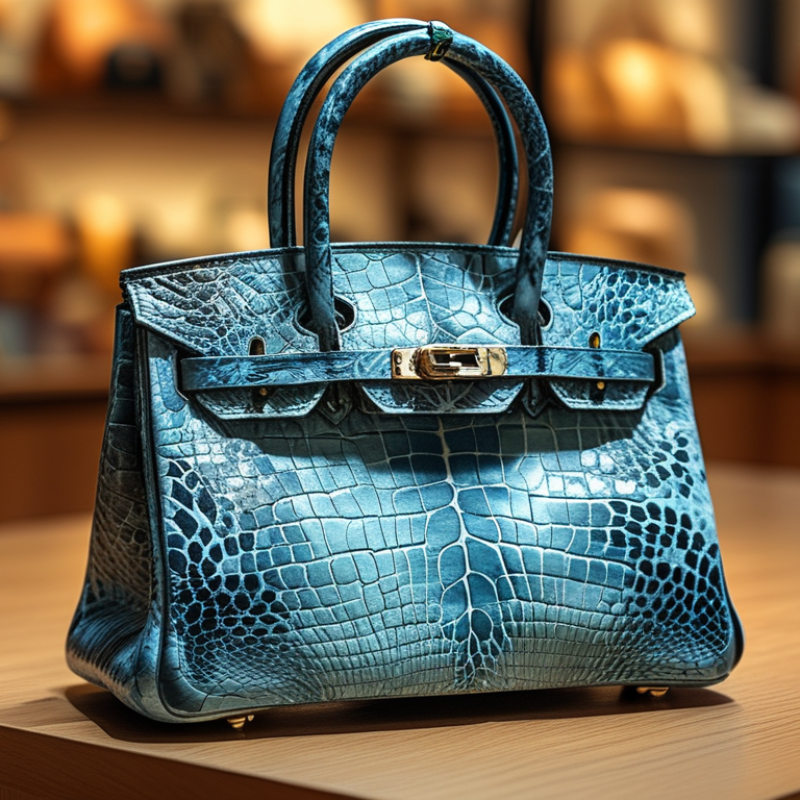
What is a Super Fake Bag and How to Spot One?

What Defines a Super Fake Bag in the Luxury Market?

In the luxury market, a "super fake" bag refers to high-quality replicas that are designed to mimic authentic items closely. These bags often use premium materials and meticulous craftsmanship that make them hard to distinguish from the real thing. To understand what defines a super fake, one should look beyond just the appearance.

Details matter. Look at the stitching; it should be even and aligned. Interior linings in genuine luxury bags are often specific to the brand's design. A super fake may have the stitching looking perfect, but flaws can still occur when examined closely. Logos can be deceiving, too. They might seem right at first glance but often miss the subtleties.

Another telling sign is the weight of the bag. Authentic luxury items typically have a heavier feel due to the quality of materials used. Super fakes may be lighter, using inferior components that compromise their authenticity. This discrepancy can be subtle but crucial for detection. As the market evolves, so do counterfeiters' techniques; it's essential to stay vigilant and informed.

Key Differences Between Authentic and Counterfeit Designer Bags

When identifying authentic designer bags, focus on the details. Authentic bags often have precise stitching. The seams should be even and tight, with no loose threads. Counterfeit bags, on the other hand, may show irregularities. Take a close look at the quality of the materials used. Genuine leather feels soft and luxurious, while synthetic materials can feel plastic-like.

The logo is another giveaway. Authentic logos are crisp and well-formed. Counterfeit versions can be misshapen or poorly printed. Check the interior as well. Real designer bags usually have high-quality linings and extra pockets, unlike counterfeit bags, which often skimp on these details.

Tips: Always compare the bag to verified images. Official websites often have clear photos showing the design elements. Use a loupe or magnifying glass to examine small prints or logos. Don’t rush your decision; take time to assess the bag’s features. Being thorough can save you from making an expensive mistake.

Data Trends: The Growth of the Counterfeit Handbag Industry

The counterfeit handbag industry has seen explosive growth in recent years. Technology advancements make it easier for counterfeiters to produce high-quality replicas. These “super fake” bags are often so convincing that even trained eyes can struggle to distinguish them from the real thing. As a result, consumers face greater challenges in identifying genuine products.

Data trends reveal that online sales of counterfeit goods are skyrocketing. Reports indicate that the market is projected to reach billions in the coming years. Buyers, often unaware, unintentionally fuel this booming industry. Fraudulent sellers leverage social media platforms, showcasing sleek promotions and eye-catching images. This makes it crucial for shoppers to educate themselves on identifying potential fakes.

It’s important to note that spotting a super fake isn’t always straightforward. Subtle details can deceive even seasoned collectors. For example, the stitching on counterfeit bags may look flawless, while authentic pieces often display minor imperfections. Recognizing these nuances requires careful observation and experience. In the end, understanding the intricacies behind counterfeit products can help consumers make informed purchases.

Techniques for Identifying Super Fake Bags: A Step-by-Step Guide

Identifying a super fake bag can be challenging. High-quality counterfeits often mimic luxury bags closely. However, there are effective techniques to spot the differences. Start by examining the material. Authentic bags typically use high-grade leather. If it feels plastic or too light, it's likely fake.

Next, inspect the stitching. Real bags boast precise, even stitching without loose threads. Count the stitches per inch; fewer than five suggests a counterfeit. The hardware should be sturdy and heavy. If it's flimsy or tarnished, reconsider your purchase.

**Tips:** Always check the lining. A poor-quality inner lining may indicate a fake. Also, look for inconsistencies in logos and branding. Real bags have meticulous branding that matches official standards.

Finally, consider the price. If a deal seems too good to be true, it likely is. Research average prices for similar bags to set a baseline. Trust your instincts; if something feels off, it probably is. Remember, the difference between a genuine product and a super fake often lies in the details.

What is a Super Fake Bag and How to Spot One? - Techniques for Identifying Super Fake Bags: A Step-by-Step Guide

Identification Technique Description What to Look For Common Mistakes
Material Quality Examine the materials used in the bag. High-quality leather/fabric with consistent texture. Assuming all genuine bags are soft and luxurious.
Stitching Details Look at the stitching for consistency and precision. Even, tight stitches that are uniform in color. Overlooking loose threads or uneven stitching.
Logo Inspection Check the logo for accuracy and placement. Correct font, spacing, and alignment with original. Ignoring minor differences in logo design.
Hardware Quality Assess the quality of zippers, clasps, and embellishments. Heavyweight hardware, no tarnishes, smooth functioning. Mistaking lightweight or flimsy hardware as normal.
Serial Numbers Check for authenticity serial numbers. Legitimate serial numbers that correspond with brand records. Believing all bags have visible serial numbers regardless of model.

The Impact of Super Fake Bags on the Luxury Goods Economy

The rise of super fake bags significantly alters the luxury goods economy. Studies show that counterfeit products cost the global luxury market over $30 billion annually. These fakes not only undermine authentic brands but also disrupt their market positioning. The allure of high-end products at a reduced price draws countless consumers. This shift impacts sales and brand perception.

Quality imitation bags can mimic high-end characteristics, making them hard to spot. Many buyers feel confused about distinguishing real from fake. Reports indicate that around 70% of consumers unknowingly purchase these items. The market thrives on demand for luxury status at a lower cost. This growing phenomenon begs reflection on consumer values and authenticity in personal branding.

Brands are investing heavily in anti-counterfeiting technologies and initiatives. However, the effectiveness of these measures is still debated. Do consumers understand the sacrifices of brand integrity? The line between luxury and imitation continues to blur, challenging the industry to uphold exclusivity. As counterfeit production becomes more sophisticated, it's crucial to educate buyers on authenticity and value.

FAQS

: How can I identify a super fake bag?

: Check the material first. Authentic bags use high-grade leather. If it feels like plastic, it’s likely fake.

What should I look for in the stitching?

Real bags have precise, even stitching. Count the stitches; fewer than five per inch indicates a counterfeit.

Is the hardware important when identifying fake bags?

Yes, authentic bag hardware is sturdy and heavy. Flimsy or tarnished hardware can signal a fake.

What does the lining reveal about the bag?

Inspect the lining carefully. A poor-quality lining often suggests that the bag is not genuine.

How can price help in spotting a fake?

If the price seems too good to be true, it likely is. Research typical prices for similar bags.

Why should I trust my instincts about a bag's authenticity?

If something feels off, it probably is. Trusting your intuition can prevent poor purchasing decisions.

How do super fake bags impact the luxury goods market?

They cost the luxury market over $30 billion annually and disrupt brand positioning and sales.

Do consumers understand the risks of buying fake bags?

Many buyers are unaware. Reports show around 70% unknowingly purchase counterfeit products.

Are brands doing anything to fight counterfeiting?

Yes, they invest in anti-counterfeiting technologies. However, effectiveness varies and concerns remain.

What should I reflect on when considering luxury goods?

It's essential to think about authenticity and the values behind personal branding amid the demand for fakes.

Conclusion

In the luxury market, a "Super Fake Bag" refers to high-quality counterfeit bags that closely mimic authentic designer products, making them increasingly difficult to distinguish. These bags possess notable characteristics that often align with genuine items but may still harbor subtle discrepancies in craftsmanship, materials, and branding. Understanding these key differences is essential for consumers who wish to make informed purchases.

As the market for counterfeit handbags continues to grow, it is crucial to equip oneself with techniques for identifying Super Fake Bags. A step-by-step guide can assist potential buyers in recognizing the tell-tale signs of counterfeit products, ensuring they invest in genuine luxury items. The proliferation of these Super Fake Bags has significant implications for the luxury goods economy, impacting pricing, brand reputation, and consumer behavior in an ever-evolving market.


Aria

Aria

Aria is a dedicated marketing professional with a deep passion for innovative strategies and a keen understanding of our company's product offerings. With a wealth of experience in the industry, Aria excels at crafting engaging content that highlights the unique features and benefits of our......