7 Tips for Sourcing Legal 1 1 Replica Shoes Worldwide?

Time:2026-09-26 Author:Charlotte
0%

Sourcing “1 1 Replica Shoes” worldwide requires more than comparing prices and factory photographs. The phrase is often used loosely, yet products copying protected logos, patterns, or packaging may violate trademark and design laws. A responsible buyer should treat legality as the first filter, not an afterthought. This guide focuses on lawful alternatives, including unbranded lookalike footwear, licensed products, and original private-label designs. The details matter.

Ask suppliers for business registration, product ownership records, material specifications, and clear manufacturing addresses. Check whether the design uses another company’s logo, signature pattern, or trade dress. Request dated samples, not only polished catalog images. Inspect stitching, outsole bonding, labels, carton markings, and safety information. Small inconsistencies can reveal bigger reliability problems. Verify customs requirements in the destination market before placing an order. Rules differ widely, and a supplier’s promise does not replace professional legal advice.

Experience also teaches caution. A low quotation may hide weak materials, unpaid duties, or missing compliance documents. One overlooked detail can stop a shipment. Use secure payment terms, written specifications, and an inspection service where appropriate. Keep invoices, correspondence, and test reports in one accessible file. That record supports accountability when quality changes unexpectedly. Still, no checklist is perfect. Regulations evolve, suppliers exaggerate, and even careful research can miss a risk. When doubt remains, pause the purchase and consult a qualified trade or intellectual-property professional. Ethical sourcing protects customers, suppliers, and the long-term credibility of your business.
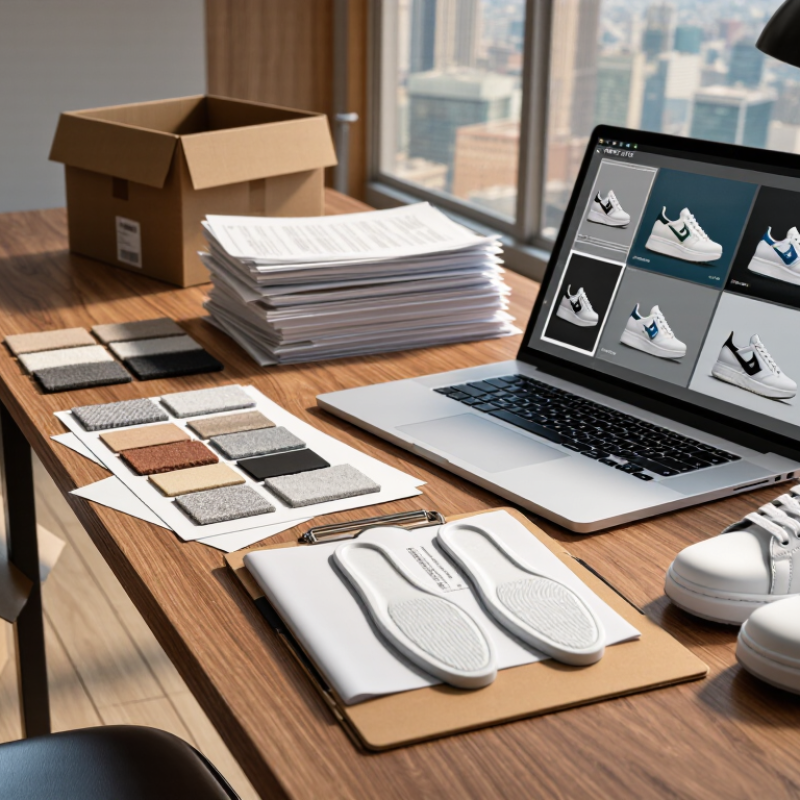
7 Tips for Sourcing Legal 1 1 Replica Shoes Worldwide?

Understanding the Legal Meaning of Replica Shoes Across Different Markets

The legal meaning of “replica shoes” changes across markets. In many jurisdictions, replica simply means a similar-looking product, not a legal category. However, “1:1” often suggests an exact copy of protected design details. That description can raise concerns about trademarks, design rights, packaging, and consumer confusion. A plain shoe with independent artwork may be lawful, while a near-identical product with copied symbols may not be.

A careful sourcing review should check seven points: seller identity, product photographs, material claims, design ownership, packaging, invoices, and import rules. Ask for written confirmation that the product is independently designed. Review close-up images of logos, labels, soles, and boxes. Keep invoices and supplier messages. Check customs guidance before payment. Local rules matter. A product accepted in one market may be stopped in another.

Terminology can mislead.

Do not rely on the word “legal” in a listing. Platforms may use it loosely, and sellers may misunderstand regional requirements. Independent verification is safer. Consult an intellectual-property lawyer when the design closely resembles an existing protected product. This step may feel excessive for a small order, but one missing document can create expensive delays. I have also found that product descriptions are often incomplete. That weakness deserves attention, not optimism. Choose original designs, transparent suppliers, and clear records rather than products marketed as exact copies.

Checking Intellectual Property Rules Before Sourcing Replica Footwear

Before sourcing any so-called 1:1 replica footwear, check the intellectual property rules in every target market. “Replica” may indicate unauthorized copying of protected designs, logos, packaging, or product images. The OECD and EUIPO estimated that counterfeit and pirated goods represented 2.5% of global trade, worth about US$464 billion, using 2019 trade data. This makes legal screening a commercial necessity, not paperwork.

Tip: Ask suppliers for ownership records, licenses, design files, and factory invoices. Verify that product photos match the approved sample. A spreadsheet helps, but it is not proof. Consult qualified local counsel before paying deposits, especially when design rights differ across countries. I have seen how one missing document can delay customs clearance and damage buyer trust.

Tip: Use original designs, authorized production, or clearly documented private-label footwear instead. Check trademarks, design registrations, copyright, customs restrictions, and advertising rules. WIPO explains that intellectual property protection is territorial, so approval in one country may not protect a shipment elsewhere. Keep contracts, inspection reports, and supplier declarations for each order. The process can feel excessive. Yet a cheap purchase becomes expensive when authorities seize goods or platforms remove listings.

Verifying Suppliers, Product Claims, and Manufacturing Records

“1:1” is a marketing phrase, not proof of quality or legality. Source only products that are lawful, non-infringing, and clearly described as independently manufactured. The OECD and EUIPO estimated that counterfeit goods represented up to 3.3% of global trade in 2016. That figure shows why supplier verification cannot rely on attractive photos or low prices.

Ask for the company registration, factory address, ownership details, and recent manufacturing records. Check whether the invoice, packing list, and product description match.

Request dated factory images, material specifications, inspection reports, and batch-level production records. A reliable supplier should explain who made the shoes, where, and when. Vague answers matter. Treat them as evidence.

Verify product claims through independent testing when possible. Check upper materials, sole composition, adhesives, size measurements, and packaging details against the written specification. Use a pre-shipment inspection with random samples, not handpicked pairs. The 2023 World Customs Organization Illicit Trade Report also highlights documentation and supply-chain weaknesses as recurring risk areas. Digital records help, but screenshots can be edited. I have seen “factory certificates” with mismatched addresses and expired test dates. That mistake is easy to miss. Review records twice, and keep a clear audit trail before placing a larger order.

Reviewing Import, Customs, and Consumer Protection Requirements

When sourcing legal 1:1-style shoes, treat “similar appearance” as a design and documentation question, not a shortcut around intellectual-property rules. Ask suppliers for invoices, material details, country-of-origin records, and written confirmation that the design and product images are authorized. Customs declarations should describe the goods accurately, including their value and materials. Requirements vary by destination, so check the importing country’s customs authority before paying a deposit. A low quote is not evidence of compliance.

Tip: Request a sample invoice and a sample pair before ordering in bulk. Check that the paperwork matches the box label and actual materials. The U.S. National Retail Federation’s 2024 returns report estimated retail returns at 16.9% of annual sales, highlighting why clear return terms matter. Put return windows, defect remedies, shipping costs, and refund timing in writing. Consumer protection rules may also require accurate product descriptions and accessible seller contact details. Keep records; they can save time when a parcel is delayed or a claim is disputed.

Tip: Compare the supplier’s documents with official import guidance, then confirm duties, taxes, and any footwear labeling rules. Do not assume a courier’s estimate covers every charge. I would also avoid relying on verbal assurances; that is easy to overlook when a deal feels urgent. If product ownership or design rights remain unclear, pause the order and seek qualified legal advice.

7 Tips for Sourcing Legal 1:1 Replica Shoes Worldwide? — Reviewing Import, Customs, and Consumer Protection Requirements

“Replica” is not a legal safe harbor. Shoes that copy protected branding or designs, or are presented as genuine when they are not, may infringe intellectual-property rights. Requirements differ by country; verify current rules with the relevant customs authority or a qualified trade professional before ordering.

Tip What to check Practical compliance step Why it matters
1. Confirm the goods are genuinely lawful Check for unauthorized logos, confusingly similar marks, copied designs, misleading “authentic” claims, or false origin information. Request accurate product photographs and written descriptions. Do not buy or resell goods represented as genuine without reliable proof of authenticity. Counterfeit goods can be detained or seized, and selling or importing them may lead to civil or other legal consequences.
2. Verify the supplier and transaction records Check the seller’s identity, contact details, business history, return address, and whether the invoice accurately describes the goods and price. Keep the listing, order confirmation, payment record, correspondence, invoice, and shipping documents. Clear records help resolve disputes and support accurate customs declarations; they do not make infringing goods lawful.
3. Check import rules before ordering Rules depend on the destination country, product, shipment value, origin, and whether the purchase is personal or commercial. Consult the destination customs authority’s current guidance or a licensed customs broker. Ask about prohibited goods, required declarations, and permits. A seller’s willingness to ship internationally does not establish that importation is permitted.
4. Declare the shipment accurately The customs description, quantity, value, and country of origin must reflect the actual shipment and applicable rules. Do not agree to undervaluation, false “gift” descriptions, or misleading product labels. Ask the carrier or broker how to correct an inaccurate declaration. False declarations can trigger reassessment, penalties, delays, or seizure, in addition to any intellectual-property issue.
5. Budget for taxes and clearance charges Import duty, VAT or sales tax, brokerage, and carrier handling fees vary by destination and shipment circumstances. Use the destination authority’s official tariff and tax tools where available; confirm who pays charges before checkout. A low advertised price may not include taxes, duty, or customs-clearance fees.
6. Review consumer rights and return terms Returns, refunds, delivery obligations, and statutory guarantees differ by country and by whether the seller is a business or private individual. Read the seller’s terms and the destination’s consumer-protection guidance before paying. For example, many eligible online purchases from traders in the EU and UK generally have a 14-day withdrawal period, subject to applicable conditions and exceptions. A stated “no returns” policy may not override mandatory consumer rights, but those rights and remedies are jurisdiction-specific.
7. Use secure payment and check product safety Consider payment protections, seller dispute procedures, material disclosures, and any safety or labeling requirements in the destination market. Pay through a method with a documented dispute process. Keep proof of payment and report suspected fraud or unsafe goods to the appropriate local authority. Payment disputes have deadlines and eligibility rules; consumer-protection remedies are not guaranteed for every transaction.

Note: This table is general information, not legal, customs, or tax advice. Check current official guidance for the shipment’s origin and destination before purchasing or importing.

Choosing Compliant Sourcing and Distribution Practices

7 Tips for Sourcing Legal 1:1 Replica Shoes Worldwide?
Choosing Compliant Sourcing and Distribution Practices
Tip: Define “replica” carefully.
For compliant sourcing, choose original designs or products you are authorized to sell. Avoid goods that copy protected logos, distinctive designs, or packaging. A low price is not proof of legality.
Tip: Check suppliers before placing an order.
Request business registration details, written authorization where relevant, product specifications, and itemized invoices. Ask for a sample pair and inspect the stitching, labels, materials, and packaging. Keep records. I have found that rushed checks can miss simple inconsistencies, so allow time for review.
Tip: Map the route from factory to customer.
Confirm that shipping documents describe the goods accurately and that the chosen carrier accepts the shipment. Rules can differ by destination, so consult qualified local trade or legal professionals before expanding distribution. Keep product claims honest, provide clear return terms, and check workplace and material standards. A checklist helps, but it can still miss things. Review it regularly.

FAQS

What should “replica” mean in compliant sourcing?

Choose original designs or products you are authorized to sell. Avoid copied logos, packaging, and distinctive protected designs. A cheap price proves nothing. Definitions can still feel unclear.

Which supplier documents should I request?

Request company registration, factory address, ownership details, and recent manufacturing records. Ask for written authorization when relevant. Keep invoices, packing lists, and product descriptions together.

How can I check whether supplier records are reliable?

Compare addresses, dates, and company names across every document. Request dated factory photos and batch-level production records. Screenshots can be edited. Review everything twice.

What should I inspect in a sample pair?

Check stitching, labels, materials, sole composition, adhesives, sizing, and packaging. Compare each detail with the written specification. Look closely at the heel and inner label.

Why is independent testing useful?

Testing can verify materials, measurements, adhesives, and product claims. Use a qualified independent service when possible. Supplier documents alone may miss defects or inconsistencies.

How should a pre-shipment inspection be conducted?

Use random samples, not handpicked pairs. Record the batch number, defects, measurements, and inspection date. Photograph the sample beside its paperwork. One inspection may still miss problems.

What shipping and distribution checks are important?

Map the route from factory to customer. Confirm that shipping documents describe the goods accurately. Check whether the carrier accepts the shipment. Destination rules may differ.

How can I keep sourcing records organized?

Maintain invoices, test reports, factory images, inspection results, and authorization documents. Use a clear audit trail before increasing order volume. A checklist helps, but it is not perfect. Review it regularly.

Conclusion

Sourcing 1 1 Replica Shoes requires careful attention to how footwear is described and sold in each market. The term “replica” can have different meanings, so buyers should clarify whether products are authorized, accurately represented, and supported by appropriate documentation. Before placing an order, review relevant intellectual property rules and ask suppliers for clear information about product origins, materials, manufacturing records, and any claims they make. Avoid listings that use misleading descriptions or provide incomplete records.

Also check the destination market’s import, customs, labeling, and consumer protection requirements, and confirm that products can be distributed through compliant channels. Keep supplier communications and purchase records, inspect samples where practical, and establish clear standards for quality and returns. A transparent sourcing process helps reduce uncertainty, supports informed purchasing, and makes it easier to respond responsibly to questions from customers or authorities.


Charlotte

Charlotte

Charlotte is a seasoned marketing professional with a deep understanding of the company's portfolio and a passion for elevating its presence in the market. With a keen eye for detail and a commitment to excellence, she ensures that our professional blog is regularly updated with insightful articles......