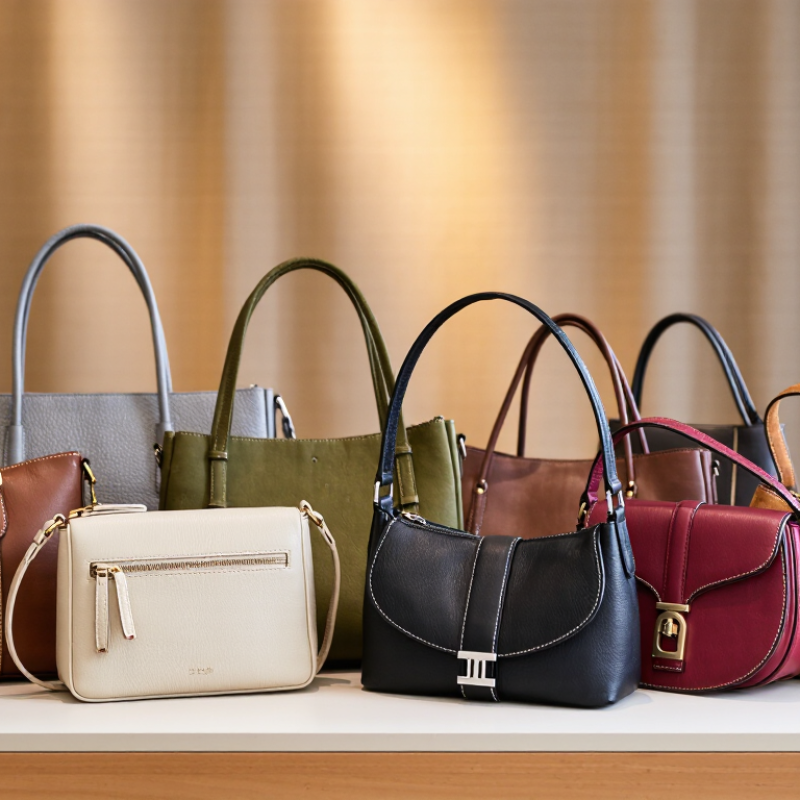
Top 10 Super Fake Bag Alternatives for Global Buyers

Time:2026-10-16 Author:Oliver
0%

The phrase “Super Fake Bag” appears often in global fashion searches, but it can create confusion. Some buyers want the look of luxury without the extreme price. Others seek counterfeit products, which this guide does not promote. Instead, it examines lawful alternatives, including authenticated pre-owned bags, unbranded designs, licensed collaborations, and quality private-label collections.

Vidyut Srinivasan, founder of Entrupy, captures the central concern: “Trust should be built on evidence, not appearance.” That principle guides this selection. A polished logo means little without reliable sourcing. Buyers should inspect stitching, edge paint, hardware weight, lining texture, seller records, and return terms. A clear product photo helps. A timestamped video helps more. Keep the invoice.

The ten alternatives in this guide serve different budgets and style goals. One option may offer vegetable-tanned leather and durable brass hardware. Another may provide a minimalist silhouette with no branding. Authenticated resale can reveal small scuffs, softened handles, or a faint storage scent. Those details are not defects to hide. They are evidence to consider.

Not every recommendation will suit every buyer. That is the uncomfortable part. “Affordable” can still become expensive after shipping, duties, repairs, or poor customer support. Regional consumer rules also differ, so buyers should verify local requirements independently. The strongest choice is not always the closest visual copy. It may be the bag with honest materials, traceable origins, and a warranty that answers difficult questions. Fancy packaging cannot fix weak evidence. A little skepticism protects both money and judgment.

Top 10 Super Fake Bag Alternatives for Global Buyers

What “Super Fake” Bags Mean and Why Legal Alternatives Matter

Top 10 Super Fake Bag Alternatives for Global Buyers

“Super fake” usually describes a highly convincing imitation of a luxury bag. It may copy logos, stitching, packaging, and serial details. However, visual quality does not make an item lawful or trustworthy. Buyers can face seizure, payment loss, privacy risks, or disappointing materials. A safer choice is an unbranded design from an independent maker, a transparent vintage shop, or a verified resale platform. These options can offer similar shapes, colors, and functions without copying protected identity.

Legal alternatives deserve careful checking. Look for clear product photos, material descriptions, invoices, return terms, and seller contact details. Independent makers should explain their production methods. Resale businesses should provide ownership history or professional authentication. I have found that polished photographs can hide weak stitching and thin lining. Even experienced buyers miss details sometimes. That is worth admitting.

Tips: Compare measurements, not only pictures. Request close-ups of corners, hardware, and interior seams. Check whether the seller accepts returns. Avoid listings promising “identical” goods or secret shipping methods. Keep payment records and written conversations. Research local import rules before ordering. A modest, honest bag often serves better than a suspiciously perfect imitation.

Key Types of Affordable Alternatives for Global Buyers

Top 10 Super Fake Bag Alternatives for Global Buyers

Global buyers often search for affordable bag alternatives that match current shapes, colors, and practical details. Legal alternatives do not copy protected logos or distinctive brand elements. They offer a similar function while keeping the design independently developed.

Popular types include unbranded leather-look totes, canvas shoulder bags, nylon travel packs, woven carryalls, and compact crossbody styles. Recycled polyester options can reduce material costs and handle light rain. Vegan leather may look polished, but its surface can crack after repeated folding. Check that carefully. Minimal logo-free bags suit offices, commuting, and casual travel. Adjustable straps, reinforced handles, and metal zippers usually matter more than decorative details.

Buyers should examine product photos, material descriptions, dimensions, and seller history before ordering. A useful test is checking the stitching around corners and handle attachments. Loose threads often reveal weak quality. Reviews with close-up images are more reliable than short star ratings. Import duties, return rules, and material claims vary across countries, so confirm them with local authorities and the seller. Some “premium” alternatives feel cheaper than expected. I have found that honest specifications build more trust than exaggerated durability claims. A bag can be affordable and well-designed without pretending to be something else.

How to Compare Materials, Craftsmanship, and Design Accuracy

Legal bag alternatives should be judged by materials, construction, and visual discipline—not logo imitation. A reliable comparison begins with the material label. Textile Exchange’s Materials Market Report 2024 recorded global fiber production at 124 million tonnes in 2023. That scale makes traceability important. Ask for fiber composition, coating details, and supplier documentation. Genuine leather should feel supple, not plastic-like. Recycled synthetics should not hide vague percentages.

Construction reveals more than photography. Inspect stitch density along the handles and side seams. Uneven spacing often signals weak quality control. Check whether edge paint feels smooth, flexible, and consistent. Hardware should open cleanly, with no sharp casting marks. The lining should sit flat inside the bag. Small flaws matter.

Design accuracy requires restraint. Compare silhouette, handle drop, pocket placement, and color under neutral light. Avoid products copying protected logos, distinctive marks, or proprietary patterns. Unbranded designs can offer similar proportions without creating legal or ethical confusion. The Ellen MacArthur Foundation reports that extending product life is central to a circular fashion system. That supports choosing repairable bags with replaceable hardware.

Do not trust perfect product photos. They can hide thin panels and poor reinforcement. My own evaluation standard would still need improvement, especially for new plant-based materials. Textile Exchange notes that material claims require clearer verification. A polished appearance is not proof. Request close-up images, care instructions, and return terms before buying.

How to Verify Seller Reliability and Product Authenticity

Top 10 Super Fake Bag Alternatives for Global Buyers

Legal alternatives to counterfeit bags include unbranded designs, independent labels, and verified pre-owned products. These options can offer similar silhouettes without misleading logos or copied identifiers. The OECD and EUIPO estimated that counterfeit goods represented 2.5% of global imports, worth about $461 billion in 2019. That figure shows why seller verification matters beyond appearance.

Check the seller’s business registration, physical return address, and customer-service response time. Ask for timestamped photos showing stitching, lining, hardware, serial details, and packaging. Request invoices or ownership records when available. Avoid sellers who rush payment or refuse returns. ThredUp’s 2024 Resale Report projects the global secondhand apparel market could reach $350 billion by 2028, creating more legitimate resale opportunities. Still, resale growth does not guarantee authenticity.

Use independent authentication services for expensive purchases. Compare measurements with the seller’s listing, not memory. Genuine products may show minor production differences. Perfect symmetry can also be suspicious. I have learned that clear photos are useful, but never conclusive. A careful buyer should save messages, payment records, and listing screenshots. Read the refund policy twice. Small wording matters. If the seller claims “factory original” but provides no verifiable evidence, treat the listing as high risk. Ask better questions. Do not rely on confidence alone.

Top 10 Super Fake Bag Alternatives for Global Buyers - How to Verify Seller Reliability and Product Authenticity

Rank Lawful Bag Alternative Common Material Typical Price Range (USD) Why Buyers Choose It Reliability Checks Authenticity or Compliance Evidence Main Red Flags
1 Unbranded Full-Grain Leather Tote Full-grain cowhide leather $90–$260 Offers durability and a refined appearance without protected logos or design claims. Confirm leather specifications, dimensions, return terms, and payment protection. Detailed material description, consistent product photos, and a verifiable business address. “Genuine leather” used without explaining leather grade; copied catalog photos; no return policy.
2 Recycled-Fabric Travel Tote Recycled polyester or recycled nylon $35–$150 Lightweight, water-resistant, and suitable for frequent travel or work use. Request fabric composition, recycled-content percentage, and care instructions. Recognized textile certification, supply-chain documentation, or laboratory test information. Unverified environmental claims, vague “eco” wording, and no material percentages.
3 Waxed-Canvas Shoulder Bag Waxed cotton canvas with leather or metal trim $55–$190 Provides a structured, vintage-inspired look and can develop a natural patina. Check canvas weight, stitching density, hardware finish, and waterproofing instructions. Accurate close-up images, material test details, and a clear warranty or repair policy. Thin fabric described as heavy canvas; peeling coating; inconsistent measurements.
4 Vegetable-Tanned Leather Crossbody Vegetable-tanned leather $75–$240 Compact design, adjustable carrying options, and a material that changes appearance over time. Verify leather thickness, edge finishing, strap adjustment range, and hardware weight. Tanning-process information, product serial or batch records, and traceable seller details. Plastic-coated leather presented as untreated leather; poorly finished edges; missing measurements.
5 Minimalist Vegan Leather Satchel Polyurethane-based vegan leather or plant-based composite $45–$180 Delivers a structured silhouette at a lower weight and cost than many leather options. Ask for composition, coating type, lining material, and abrasion-resistance information. Independent material testing, accurate sustainability claims, and documented after-sales support. “Plant-based” claims with no percentage disclosure; strong chemical odor; peeling surface.
6 Handwoven Raffia or Grass-Fiber Bag Raffia, palm fiber, jute, or similar natural fiber $30–$140 Distinctive texture, seasonal styling, and a craft-based appearance. Review weave consistency, lining quality, handle attachment, and moisture-care guidance. Origin information, artisan or workshop details, and photos of the actual item. Stock images only; excessive synthetic content; weak or uneven handle attachment.
7 Recycled-Polyester Bucket Bag Recycled polyester, nylon, or mixed textile $40–$160 Flexible capacity, low maintenance, and suitability for everyday commuting. Test drawstring movement, inspect seam reinforcement, and confirm lining composition. Material certifications, transparent care labeling, and consistent customer feedback. Weak cord channels, frayed seams, and reviews that mention major differences from photos.
8 Nylon Convertible Backpack-Handbag Ballistic nylon, ripstop nylon, or recycled nylon $50–$210 Combines hands-free carrying with practical compartments for work and travel. Check zipper quality, load-bearing stitching, strap padding, and laptop-compartment dimensions. Detailed capacity specifications, product testing information, and a trackable order process. Unclear capacity, generic zipper hardware, missing interior photos, and copied reviews.
9 Secondhand Authenticated Leather Bag Leather, suede, or coated textile, depending on the item $80–$600 Can provide higher-quality construction at a lower price than comparable new goods. Use an established marketplace with inspection, escrow, and a defined dispute process. Independent authentication report, condition grading, provenance, and clear close-up images. Pressure to pay outside the platform; missing serial details; unusually low price.
10 Made-to-Order Custom Leather Bag Full-grain, top-grain, or responsibly sourced leather $120–$500 Allows custom dimensions, colors, compartments, and hardware choices without copying protected designs. Approve a digital specification sheet, sample photos, production timeline, and payment milestones. Written material specifications, pre-shipment photos, invoice, and documented quality-control process. No written specifications; full payment demanded before approval; refusal to show production evidence.
Global buyer checklist: Verify the seller’s legal identity and physical address, compare independent reviews, request current photos of the exact item, use protected payment methods, confirm import and intellectual-property compliance, and avoid products displaying another party’s protected logos or distinctive trade dress without authorization.

Shipping, Customs, Returns, and Buyer Protection Across Markets

Top 10 Legal Bag Alternatives for Global Buyers

Buying a quality bag alternative online requires more than checking photos and price. Choose sellers who provide clear materials, measurements, country of origin, and realistic delivery dates. Legal, unbranded designs usually create fewer customs problems than copied logos or protected patterns. Ask for a commercial invoice before payment. It should match the product description and declared value. Customs authorities may inspect parcels, charge duties, or delay delivery. Rules vary widely between markets.

Tips: Use tracked shipping and confirm the carrier’s insurance terms. Check whether taxes are prepaid or collected at delivery. Save screenshots of the listing, messages, payment receipt, and tracking history. These records can support a dispute if the item differs from its description. A return address inside your region may reduce cost, but confirm who pays return postage. Some sellers advertise returns without explaining exclusions. That is a warning sign.

Buyer protection is strongest when payments stay on a recognized platform. Avoid direct transfers when the seller refuses written terms. Inspect the bag immediately, including stitching, lining, zippers, and dimensions. Report problems within the platform’s deadline. I have found that delivery estimates are often optimistic, especially during customs reviews. Even careful buyers can face unexpected fees or damaged packaging. A clear policy cannot remove every risk, but it makes the next decision easier.

Top 10 Super Fake Bag Alternatives for Global Buyers

Shipping, Customs, Returns, and Buyer Protection Across Markets — legal alternatives only

How to read this chart: The bars show the general statutory cooling-off period for eligible distance purchases, measured in days. A value of 0 means that the market does not generally require a return for a simple change of mind; seller policies and remedies for defective or misdescribed goods may still apply. Customs duties, import taxes, delivery times, restricted materials, and documentation requirements vary by product origin, declared value, and destination.

Reference basis: EU and UK consumer distance-selling rules, Brazil’s Consumer Protection Code, South Korea’s e-commerce regulations, China’s online retail rules, Taiwan’s Consumer Protection Act, Türkiye’s distance-contract rules, and general consumer-law guidance for Australia, Canada, and the United States. This is an educational comparison, not legal advice.

FAQS

What materials should I check before buying a legal bag alternative?

Ask for fiber composition, coating details, and supplier documentation. Leather should feel supple, not plastic-like. Recycled fibers need clear percentages. Vague labels deserve caution.

How can stitching reveal a bag’s quality?

Inspect handle seams and side panels closely. Stitch spacing should look even. Loose threads or uneven lines suggest weak quality control. Small flaws matter.

What should I examine on the bag’s edges and hardware?

Edge paint should feel smooth, flexible, and consistent. Zippers should move cleanly. Metal parts should have no sharp casting marks. Test everything gently.

How can I compare a bag’s design without creating legal confusion?

Compare shape, handle drop, pocket placement, and color under neutral light. Choose unbranded designs with original details. Avoid copied logos, protected marks, and distinctive patterns.

Why should I avoid relying on perfect product photos?

Studio images can hide thin panels and weak reinforcement. Request close-up photos of seams, lining, handles, and hardware. Photos still cannot show everything.

What shipping information should I confirm before ordering?

Check measurements, origin, delivery dates, and the commercial invoice. Ask whether taxes are prepaid or collected later. Customs may delay parcels or add fees.

How can I protect myself if the bag arrives damaged or inaccurate?

Use tracked shipping and keep listing screenshots, messages, receipts, and tracking records. Inspect the bag immediately after delivery. Report problems before the platform deadline.

What return details deserve special attention?

Confirm the return address, excluded conditions, and return postage responsibility. A local return address may reduce costs. Written terms help, but they cannot remove every risk.

Conclusion

This guide explains what the term “Super Fake Bag” commonly suggests and why shoppers should focus on lawful, clearly labeled alternatives instead of products that copy protected branding or designs. It introduces affordable options for global buyers, including unbranded fashion bags, independent designer pieces, pre-owned items with clear documentation, and well-made bags inspired by general trends. Readers will learn how to compare materials, stitching, structure, hardware, lining, functionality, and overall design accuracy without confusing quality with imitation.

The article also provides practical advice for evaluating seller reliability, checking product descriptions and customer feedback, confirming authenticity when purchasing pre-owned goods, and using secure payment methods. It highlights important considerations for international shipping, customs requirements, return policies, taxes, delivery tracking, and buyer protection. By combining careful research with realistic expectations, shoppers can find stylish, durable, and responsibly marketed alternatives while supporting transparent sellers and complying with applicable regulations in their own markets.

Oliver

Oliver

Oliver is a seasoned marketing professional with a wealth of expertise in driving brand awareness and engagement. With a deep understanding of our company's product offerings, he consistently delivers high-quality content that enriches our professional blog. His insights not only shed light on......