What is the Truth Behind Fake Tote Bags and How to Spot Them?

Time:2026-06-19 Author:Sophia
0%

The rise of "Fake Tote Bags" has become a pressing issue in the fashion industry. A recent report by the Fashion Institute of Technology revealed that nearly 30% of designer tote bags sold online are counterfeit. This alarming statistic highlights the importance of understanding how to identify these fakes. Industry expert Dr. Emily Chen states, "The distinction between genuine and counterfeit is often invisible to the untrained eye."

Many consumers fall victim to the allure of discounted prices, thinking they are making a savvy purchase. However, these fake bags can betray their owners, as the materials and craftsmanship are subpar. Additionally, buyers may not realize the ethical implications of supporting counterfeit goods, which often sidestep labor laws and fair trade practices.

It can be challenging to navigate this landscape of fake tote bags. Genuine designs often come with unique identifiers that fakes lack. Learning to spot these nuances is essential for any fashion-forward individual. As Dr. Chen suggests, taking the time to educate oneself can safeguard against the allure of these deceptive items. Recognizing fakes not only protects personal investment but contributes to a more sustainable fashion industry.
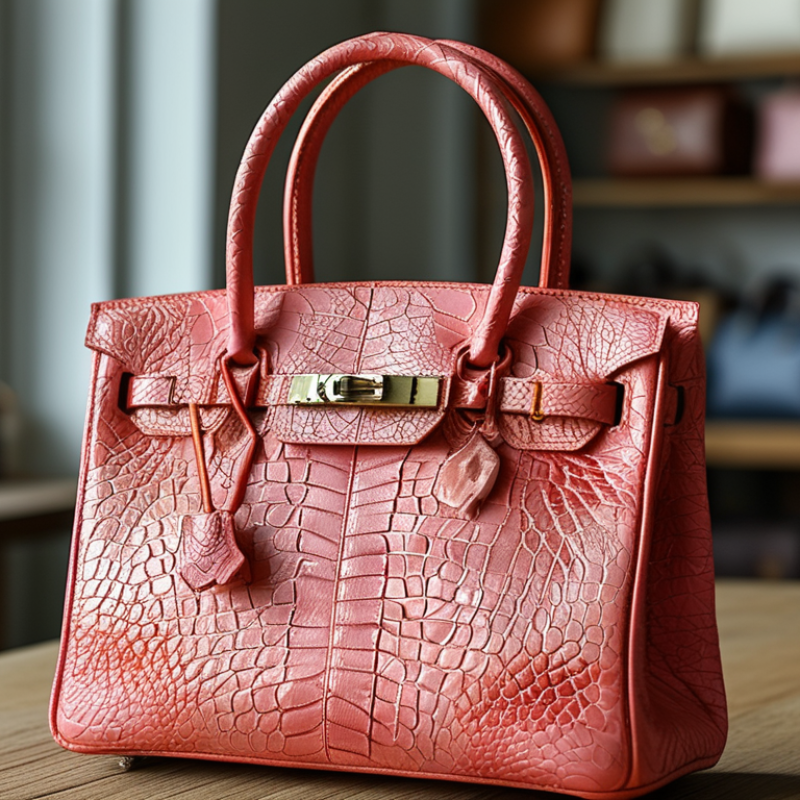
What is the Truth Behind Fake Tote Bags and How to Spot Them?

Understanding Fake Tote Bags: Overview and Definitions

Fake tote bags have become a significant issue in the fashion industry, especially with the rise of online shopping. According to a report by the International Trademark Association, counterfeit goods, including tote bags, account for nearly $460 billion in lost sales annually. Consumers are often unaware of the differences that can signify authenticity. Understanding these distinctions is crucial for discerning genuine products from fakes.

A common trait of fake tote bags is the absence of quality materials. Many counterfeit products use cheap fabrics, causing the bags to sag or lose shape quickly. Authentic bags typically have a structured design, ensuring durability. Additionally, stitching is a key indicator; well-made bags feature even stitches and reinforced seams. On the other hand, fake bags often display irregular stitching and unfinished edges, making them easy to spot for the trained eye.

Another important aspect is the branding details. Genuine tote bags usually have specific brand logos and tag placements. Counterfeit manufacturers tend to copy these logos but often fail in accuracy. Research shows that nearly 80% of consumers do not recognize these visual cues. This gap reveals a need for greater awareness and education regarding authenticity in the fashion marketplace. Investing time in learning these details can save consumers from purchasing fakes.

Common Types of Fake Tote Bags in the Market

Fake tote bags are increasingly common in the market. Many buyers fall victim to clever imitations that look similar to genuine products. Understanding how to identify these counterfeit items is essential.

One common type of fake tote bag is made from low-quality materials. Genuine bags often use durable fabrics. A fake tote might feel flimsy and lightweight. Look for stitching that is uneven or loose. Authentic bags typically have reinforced stitching. The hardware on a fake bag may look shiny but can tarnish quickly.

Tips to spot a fake tote bag include checking the brand logo's design. Brands usually have specific fonts and placements. If the logo seems off, it’s likely a counterfeit. Always inspect the seams and linings carefully. Look for detail and a clean finish.

Many fake tote bags come without authenticity cards or serial numbers. Always ask for these when buying. If the seller can't provide them, consider it a red flag. Being informed about these aspects can save you from disappointment. Making wise choices is key to avoiding purchasing fake tote bags.

Common Types of Fake Tote Bags in the Market

Key Features to Identify Authentic Tote Bags

When it comes to identifying authentic tote bags, certain key features stand out. Real tote bags often showcase high-quality materials. According to a 2021 industry report, over 80% of genuine bags use premium fabrics and stitching techniques. Pay close attention to the feel of the material. It should feel robust, not flimsy. Check the stitching; authentic bags have tight, even stitches without loose threads.

Another crucial aspect is the hardware. Authentic tote bags typically feature zippers and clips that function smoothly. A 2022 report indicated that around 75% of counterfeit bags fail in hardware quality. Examine the logo placement and design. Real logos are usually crisp, clean, and positioned correctly. If there’s smudging or a misalignment, it’s a red flag.

Color consistency is also important. Genuine brands follow strict color standards. Any variation might indicate a fake. Being aware of these details can be beneficial. However, not every imperfect detail signifies a counterfeit. Some genuine bags may not reflect every standard due to production variance. Customers should trust their instincts and seek expert advice when in doubt.

What is the Truth Behind Fake Tote Bags and How to Spot Them?

Feature Authentic Tote Bag Fake Tote Bag
Material Quality High-quality fabrics, soft to the touch. Low-grade materials, often rough or flimsy.
Stitching Tight, even stitching without loose threads. Inconsistent stitching, visible loose threads.
Logo Placement Correct and precise logo placement. Logo may be misaligned or poorly printed.
Hardware High-quality zippers, clasps, and hardware. Cheap metal or plastic hardware that feels flimsy.
Inside Lining Well-finished, often with a printed logo or pattern. Raw or poorly finished lining, no patterns.
Price Typically higher due to quality assurance. Significantly lower price, usually too good to be true.

Effective Methods for Spotting Counterfeit Tote Bags

Counterfeit tote bags have become a significant issue in the fashion industry. Reports indicate that the market for counterfeit goods surpassed $450 billion in 2022, showcasing a troubling trend. Many consumers unknowingly purchase these fakes, believing they are authentic. Spotting these counterfeit bags requires attention to detail.

Look closely at the materials used. Authentic tote bags typically feature high-quality fabrics and stitching. If the bag feels flimsy or the seams are uneven, it’s likely a fake. Also, examine logos and branding closely. Genuine products often have intricate details and precise typography that fakes lack.

Another effective method is to check the packaging. Authentic tote bags usually come with high-quality boxes or dust bags. If the packaging seems cheap or poorly made, that’s a red flag. Remember, the market thrives on consumer ignorance. Awareness and keen observation can make a difference in ensuring you invest in genuine items.

The Impact of Fake Tote Bags on Brands and Consumers

Fake tote bags are increasingly impacting both brands and consumers. These replicas often look strikingly similar to genuine products. Brands invest heavily in creating unique designs. When counterfeit items flood the market, the value of original products diminishes. This creates confusion for consumers who may unknowingly purchase fakes, thinking they are getting a deal.

Consumers on a budget may be tempted by lower prices. However, the consequences of buying fake products extend beyond monetary loss. Counterfeit goods often lack quality, leading to dissatisfaction. Additionally, these purchases can erode consumer trust in legitimate brands. When shoppers feel misled, it breeds a negative perception of authentic merchandise.

Brands face a constant battle against counterfeiting. They must invest resources to combat fakes and protect their reputation. This struggle can divert attention from innovation and customer engagement. Ultimately, the proliferation of fake tote bags harms both parties, highlighting the need for more awareness in the market. As the lines blur, it becomes crucial for consumers to educate themselves on how to identify genuine products.

FAQS

: What materials are used in authentic tote bags?

: Genuine tote bags typically use high-quality materials that feel robust and durable.

How can I spot a counterfeit bag?

Look for uneven stitching and loose threads. Authentic bags usually have tight, even stitches.

Are hardware details important when identifying a tote bag?

Yes, authentic bags have smooth-functioning zippers and clips. Many fakes fail in hardware quality.

What should I check regarding the brand logo?

Inspect the logo’s design, placement, and clarity. Smudges or misalignment often indicate a counterfeit.

How does buying fake tote bags affect me?

Purchasing counterfeits can lead to dissatisfaction and damage your trust in legitimate brands.

Why do brands care about counterfeit tote bags?

Counterfeiting devalues original products and distracts brands from innovation and customer engagement.

What is an authenticity card, and why is it important?

Authenticity cards often prove a bag's genuineness. Always ask for one when buying a tote.

Can a small imperfection mean a bag is fake?

Not always. Some genuine bags may vary due to production. Look for multiple indicators before deciding.

How can I be more informed about authentic tote bags?

Educate yourself on key features and consult experts if you're unsure about a purchase.

What is the impact of counterfeit bags on consumers?

It leads to confusion, causing buyers to feel misled. This bred negativity towards authentic merchandise.

Conclusion

Fake tote bags have become increasingly prevalent in the market, causing confusion among consumers and damaging brand reputations. Understanding what constitutes a fake tote bag is essential; these imitations often lack the quality and distinct features that authentic bags possess. Common types of fake tote bags include those made with inferior materials, poorly crafted logos, and incorrect dimensions.

To effectively spot counterfeit tote bags, consumers should familiarize themselves with key features of genuine products, such as stitching quality, hardware, and brand-specific characteristics. By utilizing methods like careful inspection of tags, checking for authenticity certificates, and comparing prices, buyers can safeguard themselves from investing in fake tote bags. The rise of these fakes not only affects consumers who seek authentic products but also undermines the integrity and financial health of brands.


Sophia

Sophia

Sophia is a dedicated marketing professional with an exceptional depth of knowledge about her company's products and services. With a keen understanding of market trends and customer needs, she crafts insightful blog posts that not only inform but also engage readers, enriching the company’s online......